The Evolution of AI in Cybersecurity
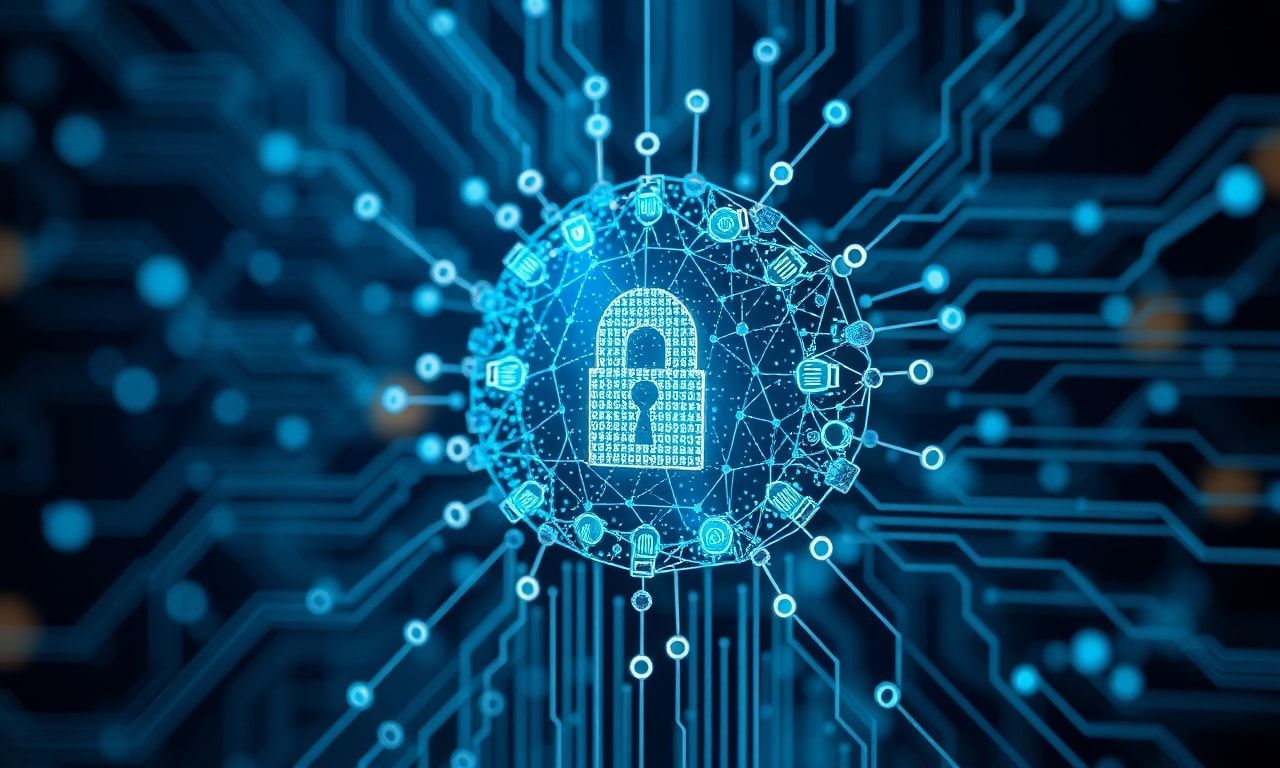
Artificial Intelligence (AI) has emerged as a transformative force across various industries, and cybersecurity is no exception. The integration of AI in cybersecurity practices has revolutionized threat detection, response mechanisms, and overall security posture. This synergy has given rise to a new era of proactive defense strategies, enabling organizations to stay ahead of increasingly sophisticated cyber threats.
Traditional cybersecurity measures often rely on predefined rules and signatures to identify threats. However, the dynamic nature of cyber threats necessitates a more adaptive approach. AI’s ability to learn from data and improve over time makes it an ideal candidate for enhancing cybersecurity frameworks. Machine learning algorithms, a subset of AI, can analyze vast amounts of data to identify patterns and anomalies that may indicate a potential security breach.
The Role of Machine Learning in Threat Detection
Machine learning algorithms are particularly effective in threat detection due to their capacity to process and analyze large datasets quickly. These algorithms can be trained on historical data to recognize normal behavior and identify deviations that may signal a cyber attack. For instance, anomaly detection models can flag unusual network traffic patterns or unauthorized access attempts, allowing security teams to respond promptly.
Furthermore, machine learning models can be employed to predict potential vulnerabilities and prioritize them based on their severity. This predictive capability enables organizations to allocate resources more efficiently and mitigate risks before they escalate. The use of AI-driven analytics also facilitates the automation of routine security tasks, freeing up cybersecurity professionals to focus on more complex and strategic initiatives.
AI-Powered Response Mechanisms
In addition to threat detection, AI plays a crucial role in response mechanisms. Automated response systems powered by AI can execute predefined actions to contain and neutralize threats in real-time. These systems can isolate affected systems, block malicious IP addresses, and deploy patches to vulnerable software, all without human intervention. This rapid response capability is essential for minimizing the impact of cyber attacks and reducing downtime.
AI can also enhance incident response by providing security teams with actionable insights and recommendations. Natural Language Processing (NLP) techniques can analyze unstructured data, such as logs and reports, to extract relevant information and present it in a structured format. This enables security analysts to make informed decisions quickly and effectively.
The Importance of Data Privacy and Ethical Considerations
While the benefits of AI in cybersecurity are manifold, it is essential to address the ethical and privacy implications. The use of AI involves the processing of vast amounts of data, which may include sensitive information. Organizations must ensure that they comply with data protection regulations and implement robust data governance practices to safeguard user privacy.
Additionally, the transparency and explainability of AI models are critical for building trust and ensuring accountability. Security teams should have a clear understanding of how AI algorithms make decisions and be able to audit their outputs. This transparency is particularly important in high-stakes scenarios where the consequences of errors can be severe.
For those interested in exploring the latest advancements in AI and cybersecurity, resources like ürün incelemeleri öneri rehberi provide valuable insights and recommendations on cutting-edge technologies and best practices.
Future Trends and Challenges
The future of AI in cybersecurity holds immense potential, with emerging technologies such as deep learning and quantum computing poised to further enhance security capabilities. Deep learning algorithms can analyze complex data patterns and improve threat detection accuracy, while quantum computing has the potential to revolutionize encryption and decryption processes.
However, the rapid evolution of AI also presents challenges. Adversaries are increasingly leveraging AI to develop more sophisticated attacks, such as deepfake phishing and AI-driven malware. This arms race necessitates continuous innovation and collaboration among cybersecurity professionals, researchers, and technology providers to stay ahead of emerging threats.
In conclusion, the intersection of AI and cybersecurity represents a paradigm shift in how organizations protect their digital assets. By harnessing the power of AI, organizations can build resilient security frameworks that adapt to the ever-evolving threat landscape. However, it is crucial to address the ethical and privacy considerations associated with AI to ensure responsible and effective use.
Delve into the intersection of creativity and technology with our latest feature, art’s influence on innovation, and discover how cultural insights are shaping the future of tech.
To enhance your living space with cutting-edge solutions, explore smart home serenity tips that blend tech innovations and comfort.
To optimize performance and recovery, our recommended reading is sports nutrition and tech, a comprehensive guide that combines dietary strategies with cutting-edge insights.