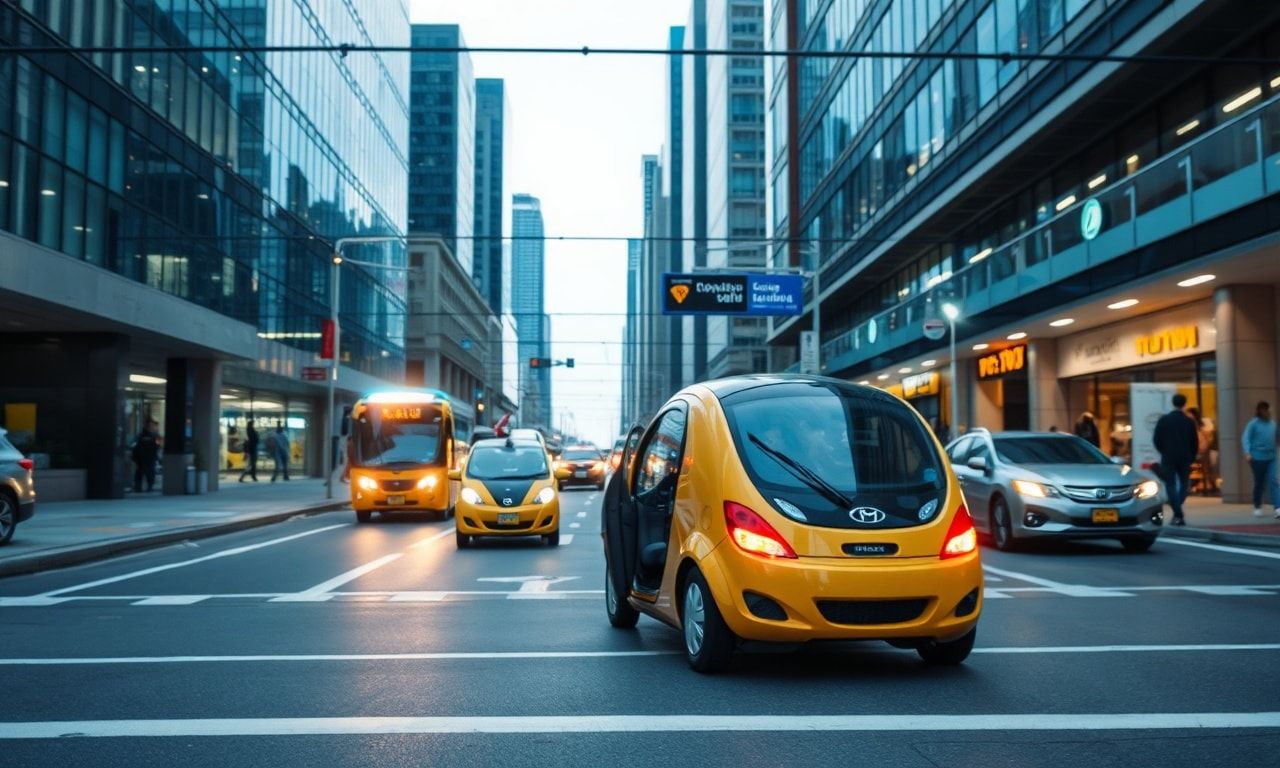
The Evolution of Urban Mobility
The landscape of urban mobility has undergone a profound transformation in recent years, largely driven by technological advancements. From the advent of ride-sharing apps to the integration of artificial intelligence (AI) in public transportation systems, technology is reshaping how we move within our cities. This article explores the latest innovations in urban mobility and their impact on our daily lives.
The Role of Artificial Intelligence in Public Transportation
AI is at the forefront of this mobility revolution. Machine learning algorithms are being used to optimize routes, predict demand, and reduce congestion. For instance, AI-powered systems can analyze real-time data from various sources, including traffic cameras and GPS devices, to provide accurate predictions and adjustments. This not only improves the efficiency of public transportation but also enhances the overall commuting experience.
Moreover, AI is instrumental in maintaining and updating transport schedules. A notable example is the Qatar transport schedule update system, which leverages AI to ensure timely and accurate information for commuters. This integration of AI in transportation management highlights the potential for technology to streamline urban mobility on a global scale.
The Rise of Electric Vehicles and Smart Infrastructure
The shift towards electric vehicles (EVs) is another significant development in urban mobility. Governments and private sectors are investing heavily in EV infrastructure, including charging stations and smart grids. These advancements are crucial for reducing carbon emissions and promoting sustainable transportation.
Smart infrastructure plays a pivotal role in supporting the widespread adoption of EVs. For example, smart charging stations equipped with IoT (Internet of Things) sensors can monitor energy consumption and optimize charging schedules. This not only ensures efficient use of resources but also enhances the reliability of the power grid.
Cybersecurity Challenges in Urban Mobility
As urban mobility becomes increasingly reliant on technology, the importance of cybersecurity cannot be overstated. The interconnected nature of modern transportation systems makes them vulnerable to cyber threats. Hackers can potentially disrupt traffic management systems, compromise personal data, or even cause physical damage to infrastructure.
To mitigate these risks, cities are investing in robust cybersecurity measures. This includes the implementation of encryption protocols, regular security audits, and the use of AI-driven threat detection systems. By prioritizing cybersecurity, urban mobility systems can ensure the safety and privacy of commuters while maintaining operational efficiency.
The Future of Urban Mobility
The future of urban mobility is bright, with numerous innovations on the horizon. Autonomous vehicles, hyperloop systems, and drone taxis are just a few examples of the technologies that could revolutionize how we travel. These advancements promise to make urban mobility faster, safer, and more sustainable.
However, the successful implementation of these technologies will require collaboration between governments, private sectors, and technology providers. By working together, we can create a future where urban mobility is seamless, efficient, and accessible to all.
Discover the latest in tech innovations and creative developments by exploring future tech breakthroughs and trends, offering a glimpse into the advancements shaping our digital world.
In the fast-paced world of tech and innovation, it’s refreshing to explore timeless trends; consider pearl necklaces’ enduring appeal for a dose of classic elegance.
In the realm of tech and AI, understanding the body-mind connection is crucial for optimal performance and innovation; delve into holistic health approaches to enhance your well-being.