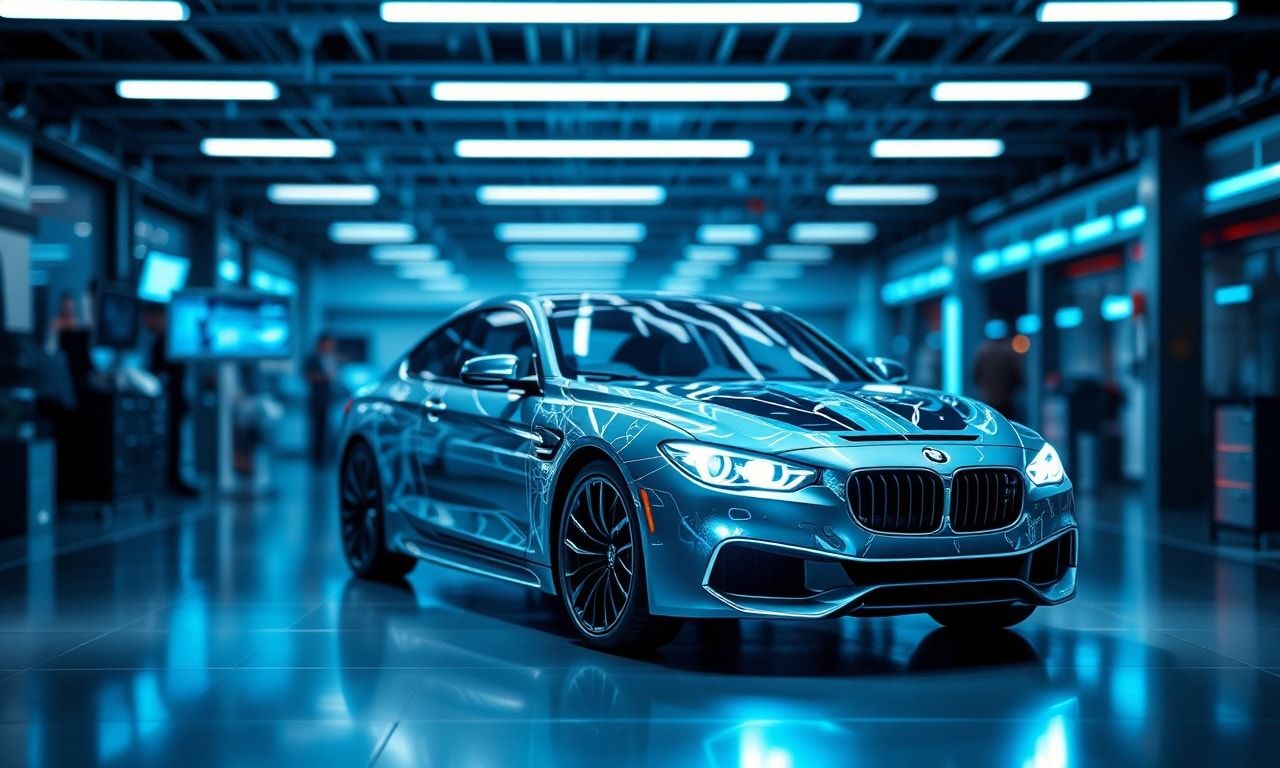
The Evolution of In-Car Technology
The automotive industry has undergone a significant transformation over the past few decades, with technology playing a pivotal role. From basic infotainment systems to advanced driver-assistance systems (ADAS), cars have become more than just a means of transportation. They are now rolling tech hubs equipped with cutting-edge features that enhance safety, convenience, and entertainment.
One of the most notable advancements in automotive technology is the integration of artificial intelligence (AI). AI has revolutionized the way we interact with our vehicles, making them more intuitive and responsive to our needs. For instance, AI-powered voice assistants like Apple’s Siri and Amazon’s Alexa have made their way into cars, allowing drivers to control various functions hands-free.
Moreover, the rise of electric vehicles (EVs) has also been a game-changer. EVs are not only environmentally friendly but also come with advanced tech features that traditional combustion engine cars lack. For example, EVs often come with over-the-air (OTA) updates, which allow manufacturers to remotely update the car’s software, adding new features and improving performance without the need for a physical visit to the dealership.
The Role of AI in Modern Vehicles
AI is at the heart of modern vehicles, enabling a range of functionalities that were once considered science fiction. One of the most significant applications of AI in cars is in the realm of safety. AI-powered ADAS can detect potential hazards on the road and take corrective actions to prevent accidents. For example, adaptive cruise control uses AI to maintain a safe distance from the vehicle ahead, while lane-keeping assist helps keep the car within its lane.
AI is also enhancing the driving experience by making it more personalized. AI algorithms can learn a driver’s preferences and adapt the car’s settings accordingly. For instance, the seat position, climate control, and infotainment system can be automatically adjusted based on the driver’s past behavior. This level of personalization not only makes the driving experience more enjoyable but also reduces the cognitive load on the driver, allowing them to focus more on the road.
Another area where AI is making a significant impact is in predictive maintenance. By analyzing data from various sensors and systems within the car, AI can predict when a component is likely to fail and alert the driver or the manufacturer. This proactive approach to maintenance can prevent breakdowns and reduce the overall cost of ownership.
Connectivity and the Internet of Things (IoT)
Connectivity is another critical aspect of modern vehicles. With the advent of the Internet of Things (IoT), cars are now part of a vast network of connected devices. This connectivity enables a range of features, from remote diagnostics to real-time traffic updates. For example, a car can communicate with other vehicles on the road to share information about traffic conditions, road hazards, and weather, helping drivers make informed decisions.
In addition to vehicle-to-vehicle (V2V) communication, cars can also communicate with infrastructure (V2I). This means that traffic lights, road signs, and other infrastructure elements can provide real-time information to the car, improving traffic flow and reducing congestion. For instance, a traffic light can signal a car approaching an intersection, allowing the car to adjust its speed to pass through the green light, thereby reducing the likelihood of accidents and improving fuel efficiency.
The integration of IoT in cars also extends to the home. With the rise of smart homes, cars can now interact with home automation systems. For example, a car can communicate with a smart thermostat to adjust the home’s temperature before the driver arrives, ensuring a comfortable environment. Similarly, the car can interact with smart locks to secure the home or unlock it remotely, providing an added layer of convenience and security.
The Future of Automotive Technology
The future of automotive technology is bright and filled with exciting possibilities. One of the most anticipated advancements is the development of fully autonomous vehicles. While we have seen significant progress in this area, with several companies already testing self-driving cars on public roads, there are still challenges to overcome. Issues such as regulatory hurdles, ethical considerations, and technical limitations need to be addressed before fully autonomous vehicles become a reality.
Another area of focus is the integration of augmented reality (AR) in cars. AR can enhance the driving experience by providing real-time information overlayed on the windshield. For example, AR can display navigation instructions, traffic updates, and even warnings about potential hazards. This technology can make driving safer and more enjoyable by reducing the need for the driver to look away from the road.
Furthermore, the automotive industry is exploring the use of blockchain technology to enhance security and transparency. Blockchain can be used to secure vehicle data, prevent fraud, and enable secure transactions. For instance, blockchain can be used to verify the authenticity of spare parts, ensuring that only genuine components are used in repairs. This can help prevent counterfeit parts from entering the supply chain, thereby improving the safety and reliability of vehicles.
Conclusion
The automotive industry is undergoing a rapid transformation driven by technological advancements. From AI and connectivity to AR and blockchain, the future of automotive technology is filled with exciting possibilities. As these technologies continue to evolve, we can expect cars to become even more intelligent, connected, and secure. This will not only enhance the driving experience but also make our roads safer and more efficient.
For those interested in the latest advancements in automotive technology, it’s worth exploring the ongoing debate between traditional combustion engine cars and electric vehicles. A detailed Honda Accord vs Toyota Camry comparison can provide valuable insights into how different manufacturers are integrating technology into their vehicles. As the industry continues to evolve, staying informed about these advancements will be crucial for both consumers and industry professionals.