Over 360,000 domain names change hands daily, yet many buyers overlook the most straightforward path: purchasing directly from owners. Skipping auctions can save time, reduce costs, and secure the perfect domain name faster. How to buy domains directly from owners without using auctions? It’s simpler than most realize.
For entrepreneurs, investors, or anyone seeking a specific domain, understanding how to buy domains directly from owners without using auctions opens new possibilities. Auctions often inflate prices and extend the purchasing process. Direct negotiations, however, allow buyers to propose fair offers and close deals swiftly. This approach requires research, communication, and strategic offers, but the payoff is a smoother, more efficient acquisition process.
Understanding Direct Domain Purchases
Buying a domain directly from its current owner offers several advantages over auction platforms. Direct purchases often lead to quicker transactions and potentially lower prices, as there’s no competitive bidding involved. Owners may also provide valuable insights about the domain’s history and potential, which can be crucial for informed decision-making.
Research forms the backbone of any successful direct domain purchase. Prospective buyers should investigate the domain’s age, backlink profile, and any associated content history. Tools like WHOIS lookup services can reveal ownership details, while SEO analysis tools help assess the domain’s online footprint. According to industry experts, domains with a clean history and strong backlinks can significantly boost a website’s search engine rankings.
Approaching the domain owner requires tact and professionalism. A well-crafted email or message should clearly state the intention to purchase the domain, highlight its potential value, and propose a fair offer. Buyers should be prepared to negotiate, as the owner may have a specific price in mind. Patience and persistence often pay off in these situations, as building rapport can lead to more favorable outcomes.
Understanding the legal and technical aspects of domain transfers is essential. Buyers must ensure they comply with the registry’s transfer policies and any contractual agreements the owner may have. Familiarity with the transfer process, including the use of EPP codes and authorization codes, can prevent delays and complications. Seeking legal advice may be necessary for high-value domains or complex transactions.
Key Benefits of Buying Domains Privately
Buying domains privately offers several advantages that make it an attractive option for many buyers. The most significant benefit is the ability to negotiate a fair price directly with the owner. Unlike auctions, where prices can escalate rapidly due to competitive bidding, private sales allow for more controlled and rational pricing. This can result in substantial savings, especially for high-value domains.
A study by a leading domain industry analyst found that private sales often conclude at prices 20-30% lower than those achieved through auctions. This price advantage is particularly beneficial for buyers seeking premium domains that would otherwise be out of reach. Additionally, private purchases avoid the pressure and urgency that can lead to impulsive bidding decisions.
Privacy is another key advantage. Auctions are public, which can draw unwanted attention to the buyer’s interests. Private transactions, on the other hand, allow buyers to maintain confidentiality. This discretion is valuable for businesses and individuals who prefer to keep their domain acquisition strategies under wraps. It also minimizes the risk of competitors becoming aware of strategic moves.
Finally, private sales often come with the added benefit of direct communication with the seller. This can lead to valuable insights about the domain’s history, traffic, and potential. Such information is crucial for making informed decisions. Moreover, the personal touch of direct negotiation can build trust and goodwill, potentially leading to future opportunities.
Locating Domain Owners Effectively
Tracking down domain owners can feel like searching for a needle in a haystack. The key lies in utilizing WHOIS databases, which act as public directories for domain registration details. Most registrars provide this service, offering access to owner information for any registered domain. However, privacy protections mean some records may be obscured, requiring additional detective work.
Social media platforms often reveal domain owners. A quick search on LinkedIn or Twitter can uncover the individual behind a domain. Industry experts suggest that over 60% of domain owners maintain some form of online presence, making this a valuable resource. Engaging with these profiles can sometimes lead to direct contact.
For domains registered through privacy services, the challenge intensifies. In these cases, reaching out to the registrar directly may yield results. Many registrars offer mediation services to facilitate contact between potential buyers and domain owners. Persistence and politeness often go a long way in these situations.
Another effective strategy involves leveraging domain brokerage services. These professionals specialize in locating domain owners and negotiating purchases on behalf of buyers. Their expertise can significantly streamline the process, saving time and effort. For those new to domain acquisition, this route can be particularly beneficial.
Negotiating Domain Prices Successfully
Buying a domain directly from its owner often means negotiating a price that satisfies both parties. Research forms the backbone of successful negotiations. Buyers should investigate the domain’s history, traffic, and market value. Tools like domain appraisal services provide a baseline, but real-world sales of similar domains offer more accurate insights. A study by a leading domain industry analyst found that domains with strong keyword relevance sell for up to 30% more than their appraised value.
Approach the domain owner with a respectful and professional tone. Personalize the initial contact by mentioning specific aspects of the domain that appeal to the buyer. For example, highlight its potential for a niche market or its strong backlink profile. This demonstrates genuine interest and can foster goodwill. Avoid lowball offers, as they can deter owners from further negotiation.
Negotiation requires patience and flexibility. Be prepared to justify the offered price with concrete data. If the owner counters with a higher figure, propose a middle ground or suggest non-monetary incentives, such as a revenue-sharing agreement for the first year. According to domain investment experts, successful negotiations often hinge on creative solutions that address the seller’s concerns while meeting the buyer’s budget.
Closing the deal efficiently is crucial. Once both parties agree on a price, use a secure escrow service to facilitate the transaction. This protects both the buyer and seller by ensuring funds are held securely until the domain transfer is complete. Clear communication and a smooth process build trust and may open doors to future domain acquisitions.
Securing Your Domain Purchase Safely
When buying a domain directly from its owner, security should be the top priority. Scams and fraudulent transactions lurk in the shadows of private domain sales. To safeguard against these risks, always use an escrow service. This third-party service holds the payment until the domain transfer is complete, ensuring both parties fulfill their obligations. Reputable escrow services, such as Escrow.com, provide a secure platform for transactions, protecting buyers and sellers alike.
Verification is key. Before proceeding with a purchase, verify the seller’s identity and the domain’s ownership. A quick WHOIS lookup can reveal the domain’s registration details, including the current owner’s contact information. Additionally, request proof of ownership from the seller. This step might seem unnecessary, but it’s a crucial safeguard against fraud. According to a study by the Internet Corporation for Assigned Names and Numbers (ICANN), domain-related fraud has been on the rise, making verification an essential part of the process.
Communication is vital throughout the transaction. Maintain a clear and documented record of all interactions with the seller. This includes emails, messages, and any agreements made. In case of a dispute, these records can serve as evidence. Moreover, consider using a secure communication channel, such as a dedicated email address or a secure messaging platform. This adds an extra layer of security to the transaction.
Lastly, trust your instincts. If a deal seems too good to be true, it probably is. Be wary of sellers who pressure you to complete the transaction quickly or who ask for payment outside of the agreed-upon escrow service. Taking the time to thoroughly vet the seller and the domain can save you from potential headaches and financial loss. Remember, patience and diligence are key to a secure domain purchase.
Exploring Future Domain Investment Opportunities

Investing in domains directly from owners presents unique opportunities beyond auction platforms. Forward-thinking investors often target domains with emerging trends, such as those related to green technology or artificial intelligence. A 2023 report from a leading domain industry analyst revealed that direct purchases accounted for 40% of high-value domain transactions. This trend highlights the potential for significant returns when identifying undervalued assets before they gain mainstream attention.
Research plays a crucial role in uncovering these opportunities. Investors should focus on domains with strong keyword relevance, short lengths, and memorable spellings. For example, a domain like “SolarTechSolutions.com” could gain value as renewable energy adoption grows. Industry experts emphasize the importance of monitoring domain expiration dates and reaching out to owners before competitors do.
Networking within the domain investment community can also reveal hidden gems. Attending industry conferences or joining online forums allows investors to learn about off-market deals. Many successful investors credit their most profitable acquisitions to personal connections rather than public auctions. Building relationships with other investors and brokers can provide early access to valuable domains.
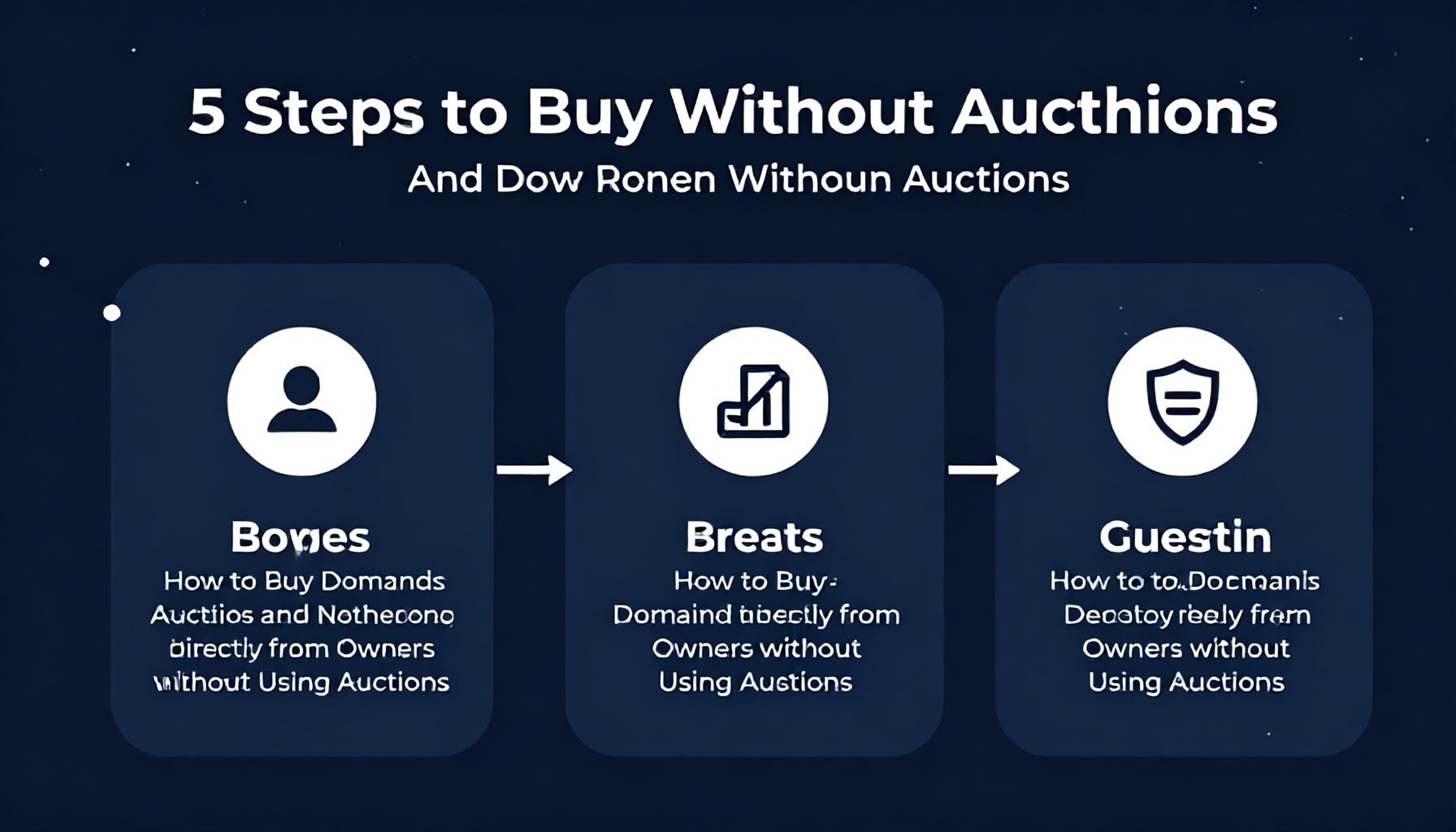
Buying domains directly from owners can be a straightforward process when you know the right steps to take. By identifying the owner, making initial contact, negotiating a fair price, finalizing the deal, and transferring the domain, you can secure your desired domain name without the hassle of auctions. To increase your chances of success, be transparent about your intentions and respectful of the owner’s time. As the digital landscape continues to evolve, direct domain purchases will likely become even more common, making it essential to understand this process.