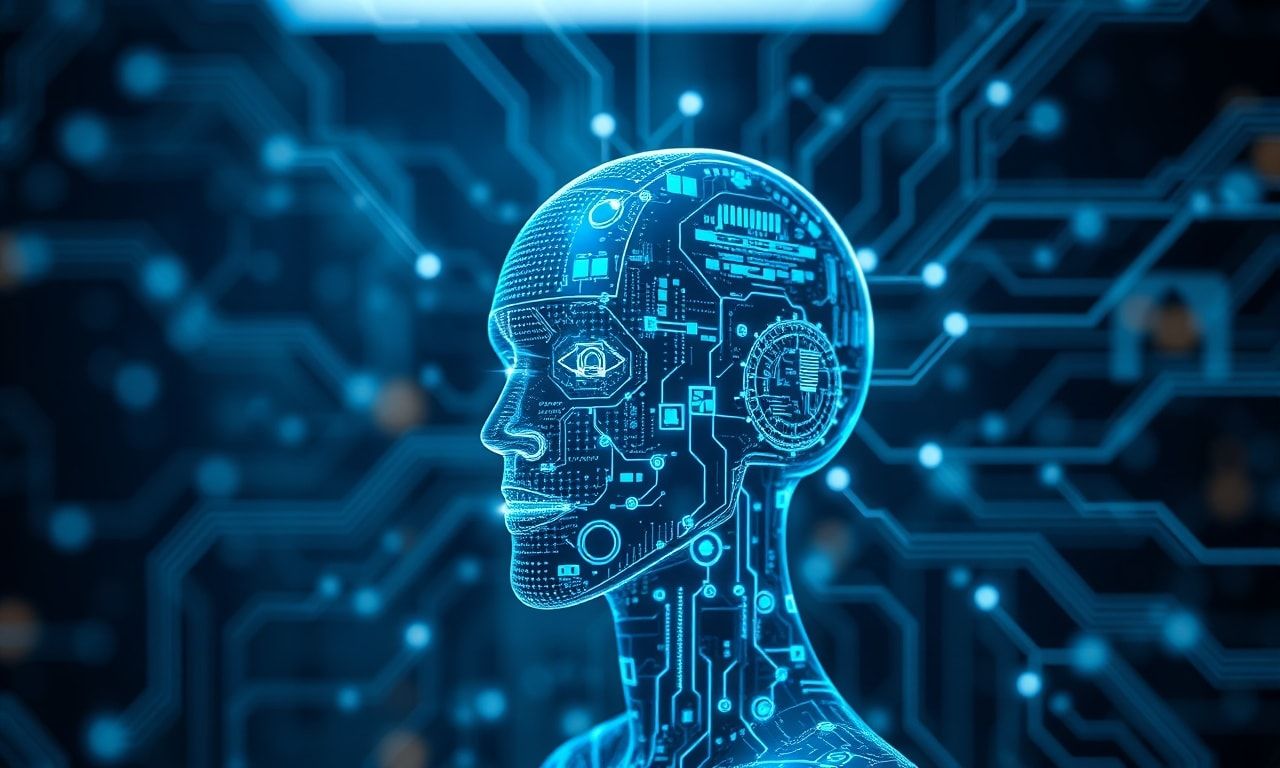
The Evolving Landscape of Cybersecurity
The digital age has brought about unprecedented advancements in technology, but it has also given rise to sophisticated cyber threats. As businesses and individuals increasingly rely on digital platforms, the need for robust cybersecurity measures has become more critical than ever. Traditional security measures are no longer sufficient to combat the evolving tactics of cybercriminals. This has led to the convergence of artificial intelligence (AI) and cybersecurity, creating a new frontier in digital defense.
The Role of AI in Cybersecurity
AI has emerged as a powerful tool in the fight against cyber threats. Its ability to analyze vast amounts of data and identify patterns makes it an invaluable asset for detecting and mitigating security breaches. AI-driven cybersecurity solutions can continuously monitor networks for suspicious activities, providing real-time threat detection and response. These systems can also adapt and learn from new threats, enhancing their effectiveness over time.
One of the key advantages of AI in cybersecurity is its ability to automate routine tasks. This frees up cybersecurity professionals to focus on more complex and strategic aspects of digital defense. AI can handle tasks such as threat identification, vulnerability assessment, and incident response, significantly reducing the workload on human analysts. Moreover, AI can predict potential security threats based on historical data and current trends, enabling proactive measures to prevent attacks before they occur.
Machine Learning and Predictive Analytics
Machine learning, a subset of AI, plays a crucial role in predictive analytics for cybersecurity. By analyzing historical data, machine learning algorithms can identify patterns and anomalies that may indicate a potential security threat. These algorithms can then predict future attacks based on these patterns, allowing organizations to take preemptive action. Predictive analytics can also help in identifying vulnerabilities in systems and applications, enabling proactive measures to mitigate risks.
For instance, machine learning algorithms can be trained to recognize phishing emails by analyzing their content, sender information, and other characteristics. This can help in filtering out malicious emails and preventing phishing attacks. Similarly, AI can be used to detect and block malware by analyzing file behavior and identifying suspicious activities. These applications of machine learning and predictive analytics are revolutionizing the field of cybersecurity, making it more proactive and effective.
The Intersection of AI and Automotive Security
The automotive industry is one of the many sectors benefiting from the convergence of AI and cybersecurity. With the rise of connected and autonomous vehicles, the need for robust security measures has become paramount. Cybersecurity threats in the automotive sector can range from hacking into vehicle systems to stealing sensitive data. AI-driven security solutions can help in detecting and mitigating these threats, ensuring the safety and security of vehicles and their occupants.
For the latest automotive news updates today, it is evident that AI is playing a crucial role in enhancing the security of modern vehicles. AI-powered security systems can monitor vehicle networks for suspicious activities, detect and block unauthorized access, and provide real-time threat detection and response. These systems can also adapt and learn from new threats, making them more effective over time. The integration of AI in automotive security is a testament to the transformative power of this technology in the digital age.
Challenges and Considerations
While the convergence of AI and cybersecurity presents numerous benefits, it also comes with its own set of challenges. One of the primary concerns is the potential for AI systems to be exploited by cybercriminals. AI-powered security solutions can be targeted by sophisticated attacks, such as adversarial machine learning, where attackers manipulate data to deceive AI algorithms. This highlights the need for continuous monitoring and updating of AI systems to ensure their effectiveness.
Another challenge is the ethical and privacy implications of AI-driven cybersecurity. The use of AI in cybersecurity involves the collection and analysis of vast amounts of data, raising concerns about privacy and data protection. Organizations must ensure that their AI systems comply with relevant regulations and standards, such as the General Data Protection Regulation (GDPR) in the European Union. Transparency and accountability are also crucial in building trust in AI-driven cybersecurity solutions.
The Future of AI in Cybersecurity
The future of AI in cybersecurity looks promising, with ongoing advancements in technology and research. AI-driven security solutions are expected to become more sophisticated and effective, providing enhanced protection against cyber threats. The integration of AI with other emerging technologies, such as blockchain and the Internet of Things (IoT), is also expected to revolutionize the field of cybersecurity.
As AI continues to evolve, its role in cybersecurity will become even more critical. Organizations must stay abreast of the latest developments in AI and cybersecurity to ensure their digital defense strategies are up-to-date and effective. By leveraging the power of AI, businesses and individuals can navigate the digital landscape with confidence, knowing that their systems and data are protected against cyber threats.
The convergence of AI and cybersecurity represents a new frontier in digital defense, offering unprecedented opportunities for enhancing security and mitigating risks. As technology continues to advance, the role of AI in cybersecurity will become even more pivotal, shaping the future of digital defense and ensuring a safer digital world.
For a deeper understanding of this topic, The Intersection of Technology and Weather: offers valuable insights worth exploring.