The domain flipping market is booming, with sales reaching over $100 million annually. Yet, many investors lose significant sums due to preventable mistakes. The thrill of quick profits often leads to costly oversights, turning promising investments into financial pitfalls. Understanding the most common domain flipping mistakes that cost thousands of dollars can mean the difference between success and failure in this competitive arena.
Domain flipping, when done right, can be a lucrative venture. However, even seasoned investors fall prey to common pitfalls that drain profits. Whether it’s overlooking market trends or underestimating renewal costs, these errors can quickly add up. By recognizing and avoiding the most common domain flipping mistakes that cost thousands of dollars, investors can safeguard their investments and maximize returns. Knowledge is power, and in the domain flipping game, it’s the key to turning a profit.
Understanding the Domain Flipping Landscape
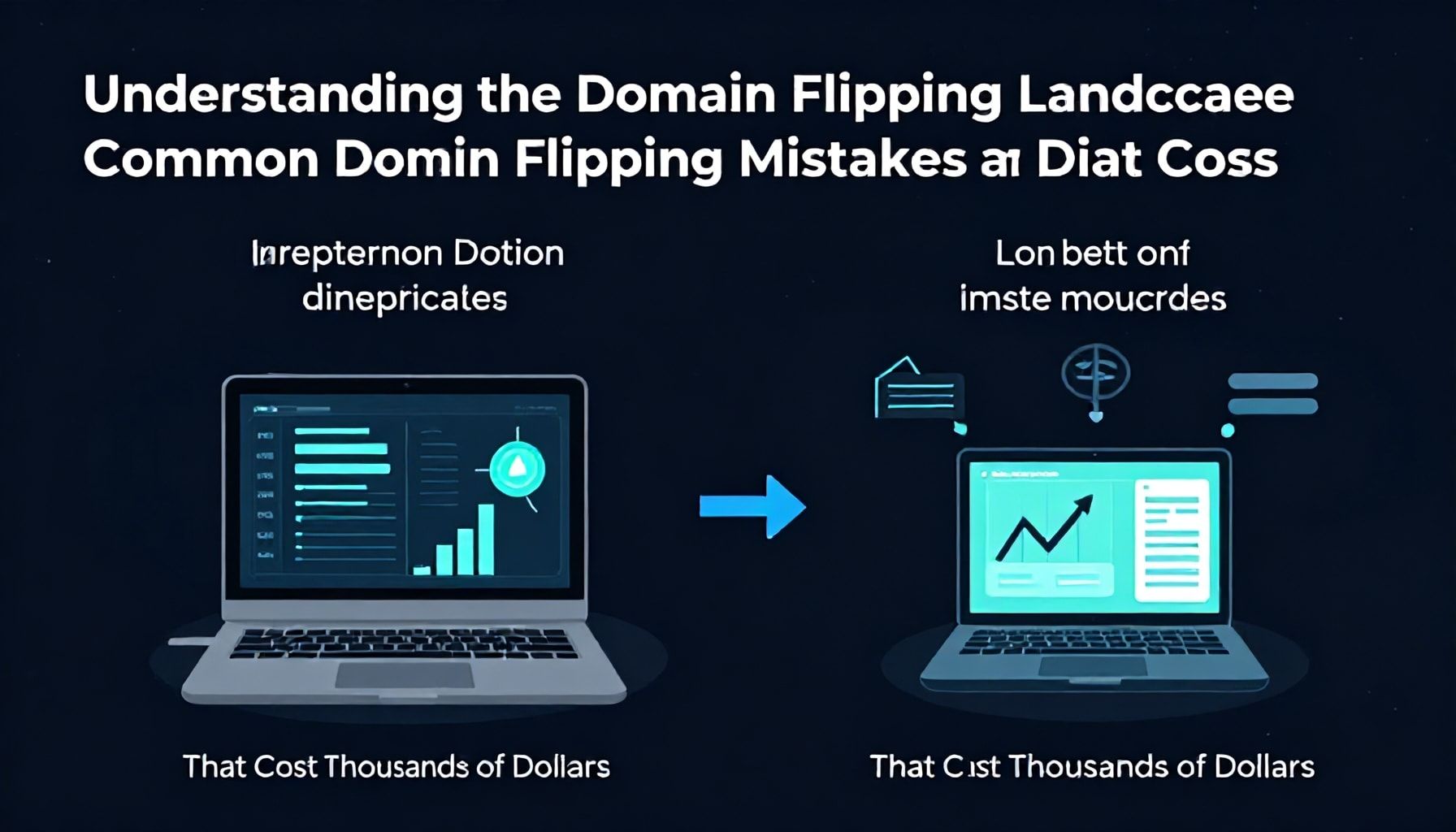
The domain flipping landscape has evolved significantly over the past decade. What began as a niche market has grown into a multi-million dollar industry, with thousands of domains changing hands annually. The allure of quick profits has drawn many newcomers, but the market’s complexity often leads to costly mistakes. Understanding the landscape is the first step toward success.
Experts estimate that over 60% of domain flippers fail to turn a profit in their first year. This high attrition rate underscores the need for thorough market research and strategic planning. The domain aftermarket is influenced by various factors, including industry trends, keyword relevance, and brandability. Those who succeed often have a deep understanding of these dynamics.
One critical aspect of the domain flipping landscape is the role of domain auctions and marketplaces. Platforms like Sedo, Flippa, and GoDaddy Auctions provide a centralized hub for buying and selling domains. However, competition can be fierce, and inexperienced flippers may find themselves outbid or stuck with unsellable domains. Navigating these platforms effectively requires both skill and patience.
Another key factor is the importance of domain valuation. Overestimating a domain’s worth is a common pitfall. Industry reports suggest that domains priced 30% above market value are significantly less likely to sell. Accurate valuation involves analyzing comparable sales, assessing domain age, and evaluating traffic potential. Investing time in this process can prevent costly missteps.
How Overvaluation Sinks Profits
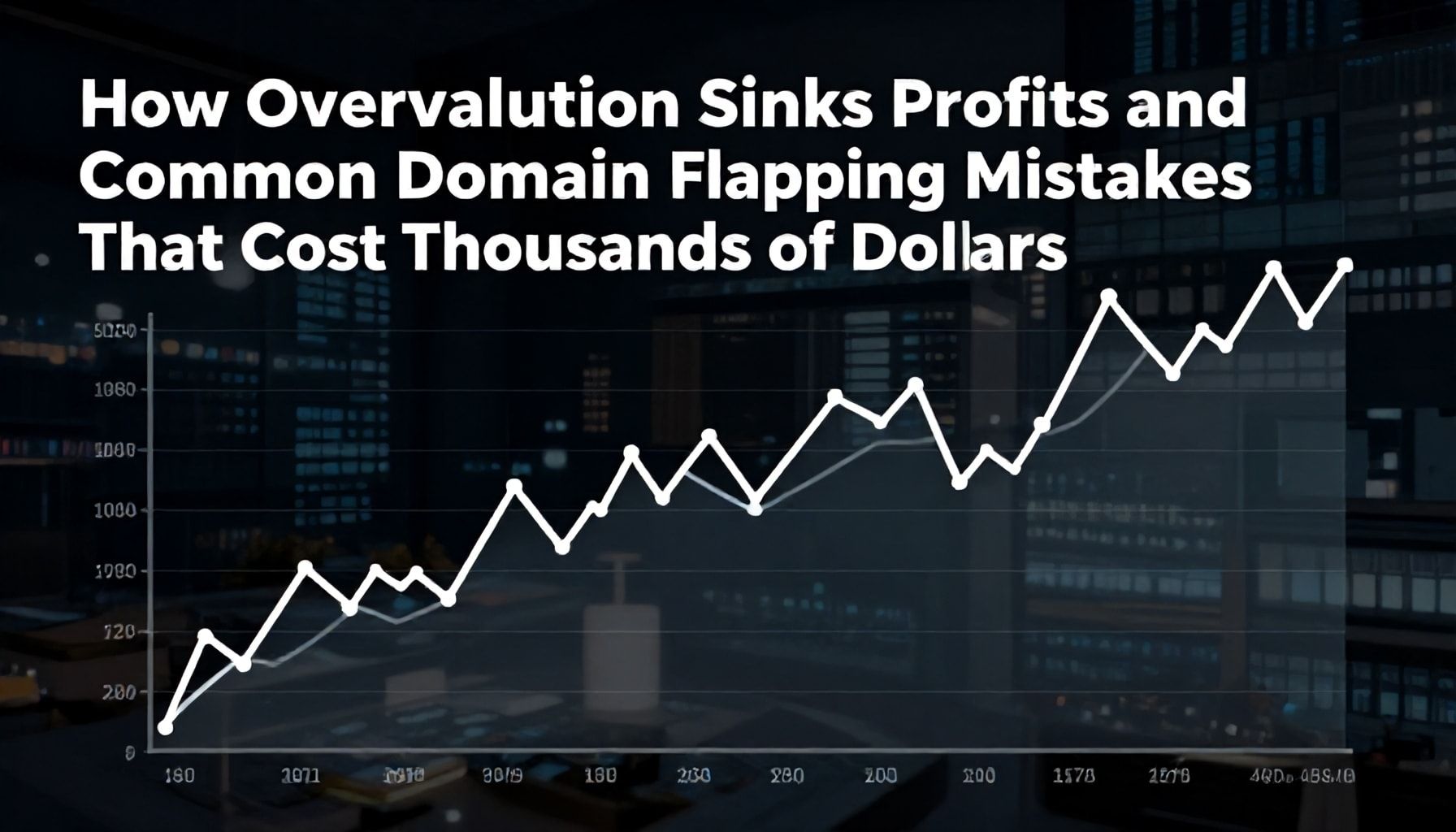
Overvaluing domains represents a critical misstep that can swiftly erode profits in the domain flipping business. A domain investor might fall into the trap of assigning an inflated value to a domain based on personal attachment or speculative potential. This overvaluation often leads to pricing the domain far above market rates, making it unattractive to potential buyers. Consequently, the domain lingers on the market, accumulating holding costs and ultimately resulting in a lower sale price than initially anticipated.
Market research plays a pivotal role in avoiding this pitfall. According to industry experts, domains priced 20% to 30% above their market value see a significant drop in inquiry rates. Investors must conduct thorough market analysis, considering recent sales of similar domains and current market trends. This data-driven approach helps in setting realistic price expectations and maximizing the chances of a swift and profitable sale.
Another factor contributing to overvaluation is the failure to account for the domain’s actual utility. A domain might have an appealing name, but if it lacks practical application or target audience appeal, its value diminishes. Investors should evaluate the domain’s potential for development into a functional website or its appeal to specific industries. This practical assessment ensures that the domain’s price aligns with its real-world utility and market demand.
Additionally, emotional attachment can cloud judgment. Investors often become emotionally invested in domains they have owned for an extended period. This attachment can lead to an inflated sense of the domain’s worth, making it difficult to price it objectively. To mitigate this, investors should seek external valuations or consult with experienced domain brokers. An objective third-party assessment can provide a realistic valuation, helping to avoid the pitfalls of emotional overvaluation.
The Hidden Costs of Neglecting Research

Neglecting thorough research before purchasing a domain can lead to unforeseen expenses that quickly erode potential profits. Buyers often overlook critical factors like trademark infringements or existing legal disputes tied to a domain. A single lawsuit can drain thousands of dollars, turning a promising investment into a financial sinkhole. Industry experts warn that due diligence isn’t just a formality—it’s a safeguard against costly missteps.
Another hidden cost emerges from undervalued domains. Many flippers assume all domains appreciate over time, but data shows that only 15% of domains actually increase in value. Without proper research, investors might hold onto depreciating assets, missing opportunities to reinvest in more promising properties. This passive approach can silently chip away at potential returns, leaving sellers with domains that fail to meet market expectations.
Market trends also play a pivotal role. Domains tied to fading industries or outdated technologies often lose relevance quickly. A domain that seems valuable today might become obsolete within months. Researching industry trends and consumer behavior helps flippers avoid these pitfalls, ensuring their investments remain aligned with current demands. Proactive research isn’t just about avoiding losses—it’s about positioning domains for long-term success.
Why Poor Timing Can Be Disastrous

Timing isn’t just everything in real estate—it’s crucial in domain flipping too. Selling a domain too early can mean leaving money on the table, while waiting too long might cause the market to cool or a better opportunity to pass by. Industry experts often cite the “domain tasting” phenomenon, where flippers register domains to test their value before committing. However, this practice can backfire if not timed correctly, leading to wasted resources and missed profits.
Domain values fluctuate based on trends, industry shifts, and even global events. A domain that’s hot today might be ice cold in six months. According to a recent study, domains sold within the first three months of registration tend to fetch lower prices than those held for at least a year. This is because buyers often perceive shorter-held domains as less valuable or potentially problematic.
Conversely, holding onto a domain for too long can be risky. Market trends can change rapidly, and what was once a sought-after keyword might become obsolete. Additionally, the cost of maintaining the domain—such as renewal fees and potential legal issues—can eat into potential profits. The key is to strike a balance, monitoring market trends and industry news to sell at the optimal moment.
Building a Strong Brand Matters

Domain flipping can be a lucrative venture, but success hinges on more than just buying and selling. Building a strong brand matters, and neglecting this aspect can lead to costly missteps. A domain name is often the first interaction a potential buyer has with a brand. A memorable, relevant, and well-branded domain can significantly increase its value. According to industry experts, well-branded domains sell for up to 30% more than their non-branded counterparts.
One common mistake is focusing solely on keyword stuffing. While SEO is important, a domain name that reads like a string of keywords can be off-putting. Buyers are looking for names that are easy to remember and spell. A strong brand tells a story and creates an emotional connection. For example, a domain like “BookLoversHaven.com” is more appealing than “BuyCheapBooksOnline.com.”
Another pitfall is ignoring the importance of social media compatibility. A domain name that doesn’t align with available social media handles can dilute branding efforts. Consistency across platforms reinforces brand recognition. Flippers should check social media handle availability before finalizing a domain purchase. This small step can save thousands in rebranding costs later.
Lastly, neglecting the domain’s history can be a costly error. A domain with a questionable past can tarnish a brand’s reputation. Conducting a thorough background check, including WHOIS history and archived content, is crucial. A clean slate ensures the domain is ready to build a strong, trustworthy brand from day one.
Planning for Long-Term Success
Domain flipping isn’t a get-rich-quick scheme. It demands strategic planning and patience for long-term success. Investors often focus on immediate gains, overlooking the value of a well-structured, long-term plan. A seasoned domain investor emphasizes the importance of diversifying portfolios and setting clear, achievable goals. This approach mitigates risks and maximizes returns over time.
Research is the cornerstone of successful domain flipping. Understanding market trends, identifying niche opportunities, and analyzing competitor strategies are crucial. According to industry reports, investors who dedicate time to research see a 30% higher return on investment. This data underscores the significance of informed decision-making in domain flipping.
A common mistake is neglecting the legal aspects of domain ownership. Ensuring proper registration, renewals, and compliance with ICANN regulations is vital. Overlooking these details can lead to costly disputes or loss of valuable domains. Investors should consult legal experts to navigate the complexities of domain ownership.
Building a strong network within the domain investment community can provide invaluable insights and opportunities. Engaging in forums, attending industry conferences, and collaborating with experienced investors can enhance one’s knowledge and strategy. This network can offer support, advice, and potential partnerships, contributing to long-term success in domain flipping.
Avoiding these five costly domain flipping errors can save you thousands of dollars and significantly improve your success rate. Focus on thorough research, strategic pricing, and building a strong portfolio to maximize your profits. As the domain industry continues to evolve, staying informed and adaptable will ensure you remain competitive and profitable in this dynamic market.