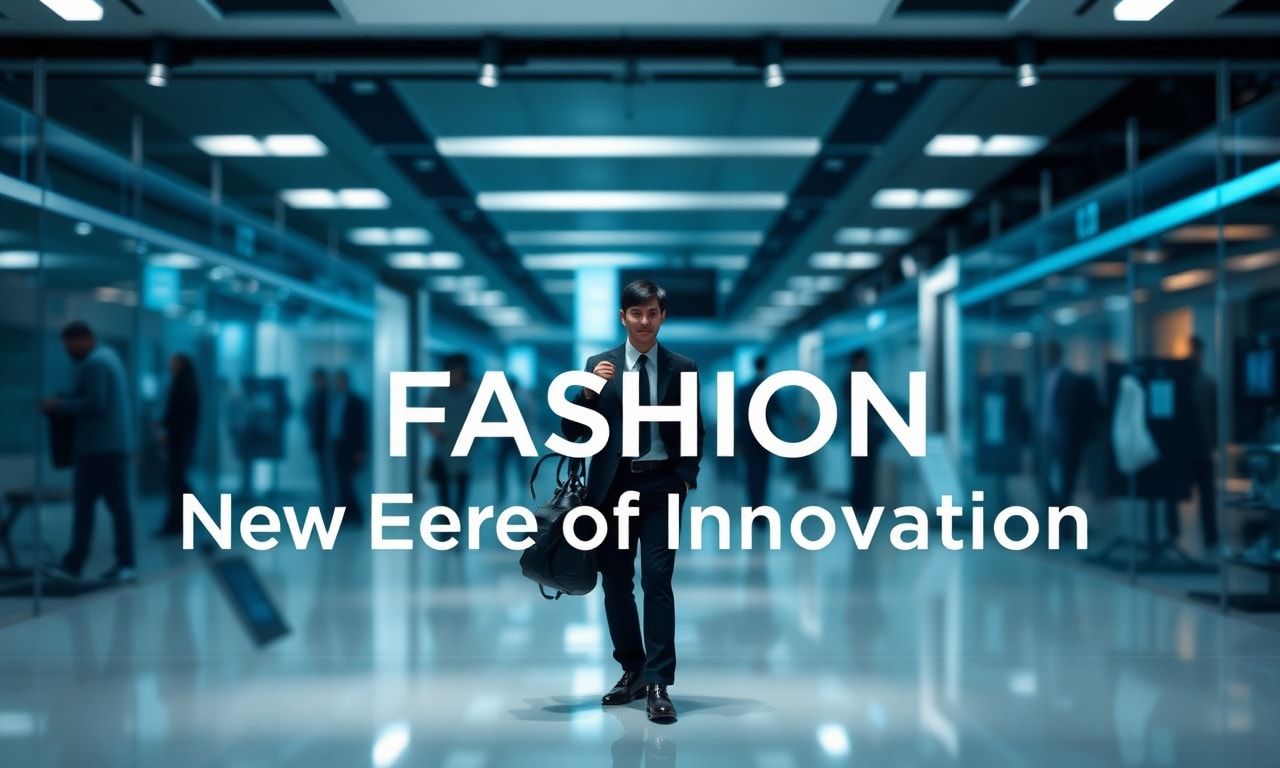
The Convergence of Tech and Fashion
The worlds of technology and fashion are colliding in unprecedented ways, giving rise to a new era of innovation. This intersection is not only transforming how we dress but also how we interact with our clothing and accessories. From smart fabrics to wearable technology, the fusion of these two industries is creating exciting opportunities for both consumers and businesses. As we delve into this dynamic landscape, it’s clear that the future of fashion is intrinsically linked to technological advancements.
The Rise of Wearable Technology
Wearable technology has emerged as a significant trend in the tech-fashion landscape. Devices such as smartwatches, fitness trackers, and augmented reality glasses are becoming increasingly popular. These gadgets are not only functional but also stylish, catering to the aesthetic sensibilities of modern consumers. For instance, smartwatches now come with customizable straps and sleek designs, making them a fashion statement as much as a tech accessory. This trend highlights the growing demand for technology that is both practical and visually appealing.
One notable example of wearable technology is the integration of health monitoring features into clothing. Smart fabrics embedded with sensors can track vital signs, monitor physical activity, and even provide feedback on posture. These innovations are revolutionizing the healthcare industry by enabling continuous health monitoring and early detection of potential issues. As technology continues to advance, we can expect even more sophisticated wearable devices that seamlessly blend into our daily lives.
The Impact of AI on Fashion
Artificial Intelligence (AI) is playing a pivotal role in the fashion industry, from design to production and marketing. AI algorithms can analyze vast amounts of data to predict fashion trends, optimize supply chains, and personalize shopping experiences. For example, AI-powered virtual stylists can recommend outfits based on individual preferences and body types, enhancing the shopping experience for consumers. Additionally, AI can be used to create unique designs by generating patterns and styles that humans might not have considered.
AI is also transforming the way fashion brands interact with their customers. Chatbots and virtual assistants powered by AI can provide personalized recommendations, answer queries, and even assist with virtual try-ons. This level of customization and convenience is reshaping the retail landscape, making it more efficient and customer-centric. As AI continues to evolve, its impact on the fashion industry will only grow, driving innovation and efficiency.
Cybersecurity in the Fashion Tech Landscape
As technology becomes more integrated into fashion, the need for robust cybersecurity measures becomes paramount. Wearable devices and smart fabrics collect sensitive data, making them potential targets for cyber threats. Ensuring the security of this data is crucial to maintaining consumer trust and protecting personal information. Fashion tech companies must invest in advanced cybersecurity solutions to safeguard against potential breaches and vulnerabilities.
One way to enhance cybersecurity in the fashion tech industry is through the use of blockchain technology. Blockchain can provide a secure and transparent way to manage data, ensuring that information is protected and tamper-proof. Additionally, implementing strong encryption protocols and regular security audits can help mitigate risks and protect sensitive data. As the fashion tech landscape continues to evolve, cybersecurity will remain a critical aspect of ensuring the safety and privacy of consumers.
The Future of Fashion Tech
The future of fashion tech is bright and full of possibilities. As technology continues to advance, we can expect to see even more innovative solutions that blend style and functionality. For instance, the concept of mode pour fête de la Saint-Louis could be enhanced with augmented reality, allowing users to visualize outfits in real-time and share them with friends. This level of interactivity and personalization will redefine the way we experience fashion.
Moreover, the integration of sustainable practices into fashion tech is gaining momentum. Eco-friendly materials, energy-efficient production processes, and recycling initiatives are becoming increasingly important. Technology can play a crucial role in promoting sustainability by optimizing resource usage, reducing waste, and creating more environmentally friendly products. As consumers become more conscious of their environmental impact, the demand for sustainable fashion tech will continue to grow.
In conclusion, the intersection of technology and fashion is a dynamic and exciting space. From wearable technology to AI-driven designs and cybersecurity measures, the fusion of these two industries is driving innovation and transforming the way we interact with our clothing. As we look to the future, the possibilities are endless, and the potential for further advancements is immense. The fashion tech landscape is poised for continued growth and evolution, promising a future where style and technology coexist harmoniously.
Discover how color science intersects with technology in our latest feature, everyday fabric dye innovations, and learn about the cutting-edge applications transforming industries.
To stay ahead in the rapidly evolving tech landscape, delve into future tech trends and innovations shaping our digital world.
As technology continues to reshape industries, discover how hair clinics embrace digital transformation to enhance patient experiences and outcomes.