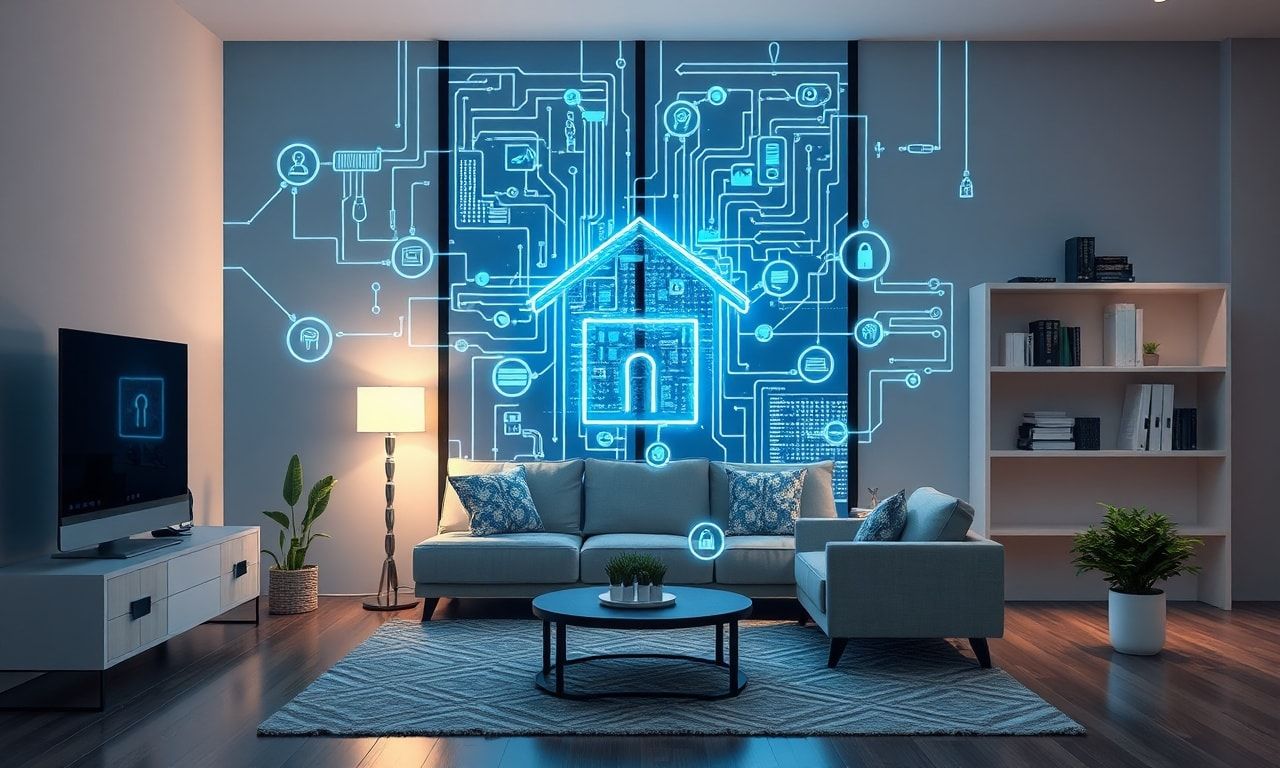
The Rise of Smart Home Technology
In recent years, the proliferation of smart home devices has transformed the way we interact with our living spaces. From smart thermostats and lighting systems to advanced security cameras and voice-activated assistants, these innovations promise convenience, efficiency, and enhanced quality of life. According to market research, the global smart home market is projected to reach $135.3 billion by 2025, driven by the increasing demand for connected devices and the Internet of Things (IoT).
These devices are designed to make our lives easier, but they also introduce new challenges, particularly in the realm of cybersecurity. As homes become more connected, the potential attack surface for cybercriminals expands, necessitating robust security measures to protect personal data and privacy.
The Cybersecurity Challenges of Smart Homes
Smart home devices often lack the same level of security as traditional computing devices. Many are developed with a focus on functionality and user experience, sometimes at the expense of security. This can leave them vulnerable to a range of cyber threats, including:
- Weak Authentication: Many devices come with default passwords or no authentication mechanisms, making them easy targets for hackers.
- Outdated Software: Infrequent software updates can leave devices exposed to known vulnerabilities.
- Data Privacy Concerns: Smart home devices collect vast amounts of personal data, which can be exploited if not properly secured.
- Network Vulnerabilities: A compromised device can serve as a gateway to the entire home network, putting all connected devices at risk.
To mitigate these risks, it’s crucial for manufacturers to prioritize security in the design and development of smart home devices. Additionally, consumers should take proactive steps to secure their devices, such as changing default passwords, regularly updating firmware, and using strong, unique passwords for all accounts.
The Role of AI in Enhancing Smart Home Security
Artificial Intelligence (AI) is playing an increasingly important role in enhancing the security of smart home systems. AI-powered algorithms can analyze patterns of behavior to detect anomalies and potential threats in real-time. For example, AI can be used to monitor network traffic and identify suspicious activities, such as unauthorized access attempts or data exfiltration.
Moreover, AI can enhance the functionality of smart home devices by enabling predictive maintenance and automated responses to security threats. For instance, an AI-driven security system can automatically lock doors, turn off appliances, and alert authorities in the event of a break-in. This proactive approach not only improves security but also provides peace of mind for homeowners.
In Finland, the importance of smart home security is well-recognized. Platforms like Espoon kodin korjausarvostelut provide valuable insights and reviews on home improvement and security solutions, helping consumers make informed decisions about their smart home investments.
Best Practices for Securing Your Smart Home
To ensure the security of your smart home, consider the following best practices:
- Regularly Update Firmware: Keep all smart home devices updated with the latest security patches to protect against known vulnerabilities.
- Use Strong, Unique Passwords: Avoid using default passwords and opt for complex, unique passwords for each device and account.
- Enable Two-Factor Authentication (2FA): Where available, enable 2FA to add an extra layer of security to your accounts.
- Segment Your Network: Use a separate network for smart home devices to isolate them from your primary network, reducing the risk of a widespread breach.
- Monitor Device Activity: Regularly review the activity logs of your smart home devices to detect any unusual behavior.
By following these best practices, you can significantly enhance the security of your smart home and protect your personal data from cyber threats.
The Future of Smart Home Technology
The future of smart home technology is bright, with continuous advancements in AI, IoT, and cybersecurity. As these technologies evolve, we can expect even more sophisticated and secure smart home solutions that seamlessly integrate into our daily lives. However, it is essential for both manufacturers and consumers to remain vigilant and proactive in addressing security challenges to fully realize the benefits of smart home technology.
In conclusion, the intersection of smart home technology and cybersecurity presents both opportunities and challenges. By prioritizing security and leveraging the latest advancements in AI and IoT, we can create safer, more efficient, and more convenient living spaces for the future.
Discover how tech is reshaping our routines with key innovations in daily life, from AI to cybersecurity.
Innovation and societal change often go hand in hand, and our latest feature, the rise of women’s football, explores how this global phenomenon is reshaping norms and inspiring tech-driven progress.
Discover how technology is revolutionizing sports with our in-depth look at data-driven football strategies, showcasing the latest advancements in AI and analytics.