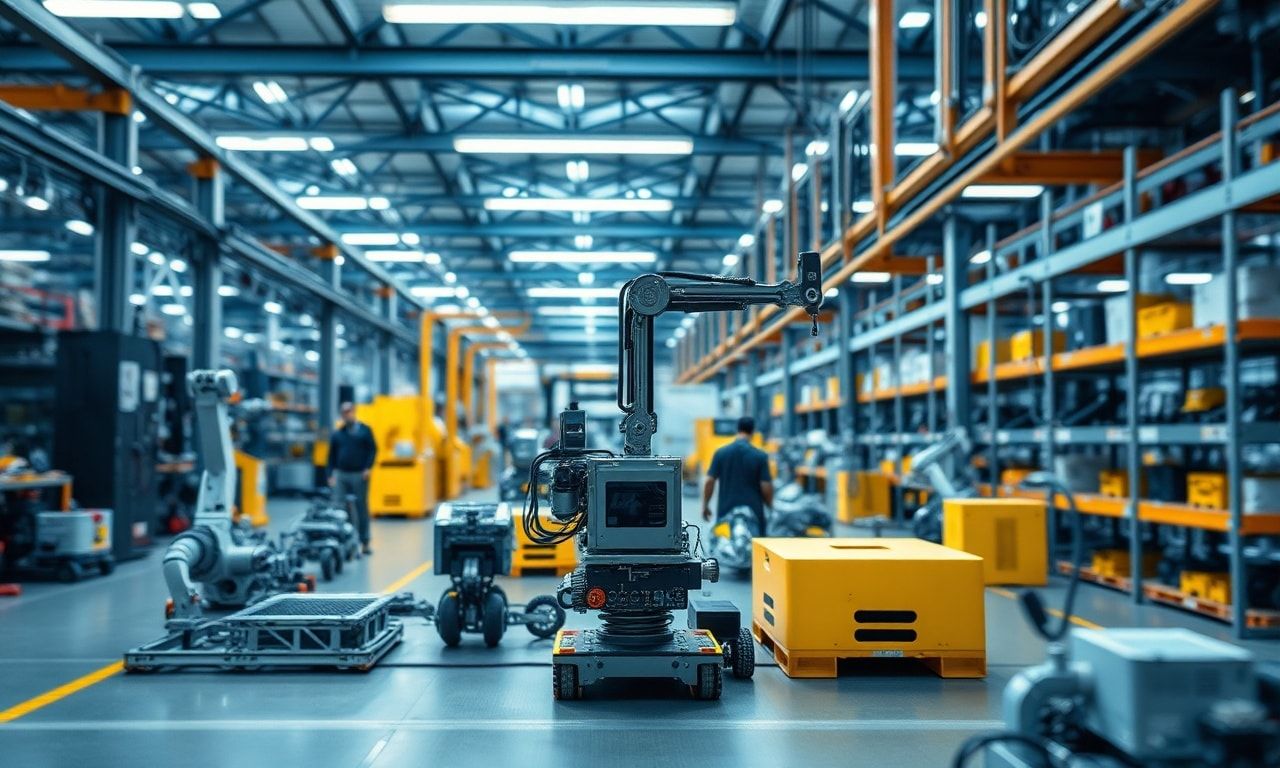
The Rise of Smart Factories
The industrial landscape is undergoing a profound transformation, driven by the advent of smart factories. These advanced manufacturing facilities leverage the Internet of Things (IoT), artificial intelligence (AI), and big data analytics to create highly efficient, flexible, and responsive production environments. The concept of smart factories is not just a futuristic ideal but a present reality, reshaping industries worldwide. As we delve into this topic, it’s essential to understand the foundational technologies that make smart factories possible.
The Role of Industrial IoT
The Industrial Internet of Things (IIoT) is the backbone of smart factories. IIoT involves the integration of sensors, actuators, and other smart devices into the manufacturing process, enabling real-time data collection and analysis. These devices monitor everything from machine performance to environmental conditions, providing valuable insights that can optimize operations. For instance, sensors can detect when a machine is about to fail, allowing for predictive maintenance that minimizes downtime. This proactive approach not only saves costs but also enhances overall productivity.
Moreover, IIoT facilitates seamless communication between different components of the manufacturing process. Machines can autonomously adjust their operations based on data received from other devices, creating a highly coordinated and efficient workflow. This level of automation and connectivity is revolutionizing the way factories operate, making them more agile and responsive to market demands.
Artificial Intelligence in Manufacturing
Artificial Intelligence (AI) is another critical component of smart factories. AI algorithms analyze the vast amounts of data generated by IIoT devices to identify patterns, predict outcomes, and make data-driven decisions. For example, AI can optimize production schedules, reduce waste, and improve product quality by analyzing historical data and real-time inputs. Machine learning, a subset of AI, enables systems to learn from experience and improve over time, making them increasingly accurate and efficient.
AI also plays a crucial role in quality control. Computer vision systems equipped with AI can inspect products for defects with a level of precision that surpasses human capabilities. These systems can identify even the smallest imperfections, ensuring that only the highest quality products reach the market. This not only enhances customer satisfaction but also reduces the costs associated with returns and recalls.
The Impact of Big Data Analytics
Big data analytics is the process of examining large and complex data sets to uncover hidden patterns, correlations, and other insights. In the context of smart factories, big data analytics provides a comprehensive view of the entire manufacturing process, enabling managers to make informed decisions. By analyzing data from various sources, including IIoT devices and AI systems, factories can identify areas for improvement and implement changes that enhance efficiency and productivity.
For example, big data analytics can help factories optimize their supply chains by predicting demand and adjusting production accordingly. This reduces the risk of overproduction or stockouts, ensuring that resources are used efficiently. Additionally, big data analytics can identify trends and patterns that might not be immediately apparent, providing valuable insights that can drive innovation and growth.
Cybersecurity Challenges in Smart Factories
While the benefits of smart factories are numerous, they also present significant cybersecurity challenges. The increased connectivity and automation of industrial processes create new vulnerabilities that can be exploited by cybercriminals. For instance, hackers could potentially gain access to a factory’s control systems and disrupt operations, causing significant financial and reputational damage.
To mitigate these risks, smart factories must implement robust cybersecurity measures. This includes using encryption to protect data, implementing access controls to limit who can interact with critical systems, and conducting regular security audits to identify and address vulnerabilities. Additionally, factories should invest in employee training to ensure that staff are aware of the latest cybersecurity threats and best practices.
For those interested in exploring the latest advancements in smart factories, visiting some of the mejores fábricas para visitar en España can provide valuable insights. These facilities showcase the cutting-edge technologies and innovative practices that are shaping the future of manufacturing.
The Future of Smart Factories
The future of smart factories is bright, with ongoing advancements in IIoT, AI, and big data analytics continuing to drive innovation. As these technologies become more sophisticated, smart factories will become even more efficient, flexible, and responsive. This will not only enhance the competitiveness of individual factories but also contribute to the overall growth and development of the manufacturing sector.
Moreover, the integration of smart factories with other emerging technologies, such as 5G and edge computing, will further enhance their capabilities. 5G networks will provide the high-speed, low-latency connectivity required for real-time data processing and communication, while edge computing will enable data to be processed closer to the source, reducing latency and improving efficiency.
In conclusion, smart factories represent a significant leap forward in the evolution of manufacturing. By leveraging the power of IIoT, AI, and big data analytics, these advanced facilities are transforming the way products are made, setting new standards for efficiency, quality, and innovation. As the technology continues to evolve, the potential for smart factories to drive growth and create new opportunities is immense.
Delve into the transformative power of AI with our latest feature, revolutionizing tech through artificial intelligence, and discover how it’s reshaping the software and cybersecurity landscapes.
Discover how cutting-edge tech is revolutionizing the culinary world in our latest feature, tech’s impact on cooking.
To stay ahead in the rapidly evolving tech landscape, delve into cutting-edge technological advancements reshaping our world today.