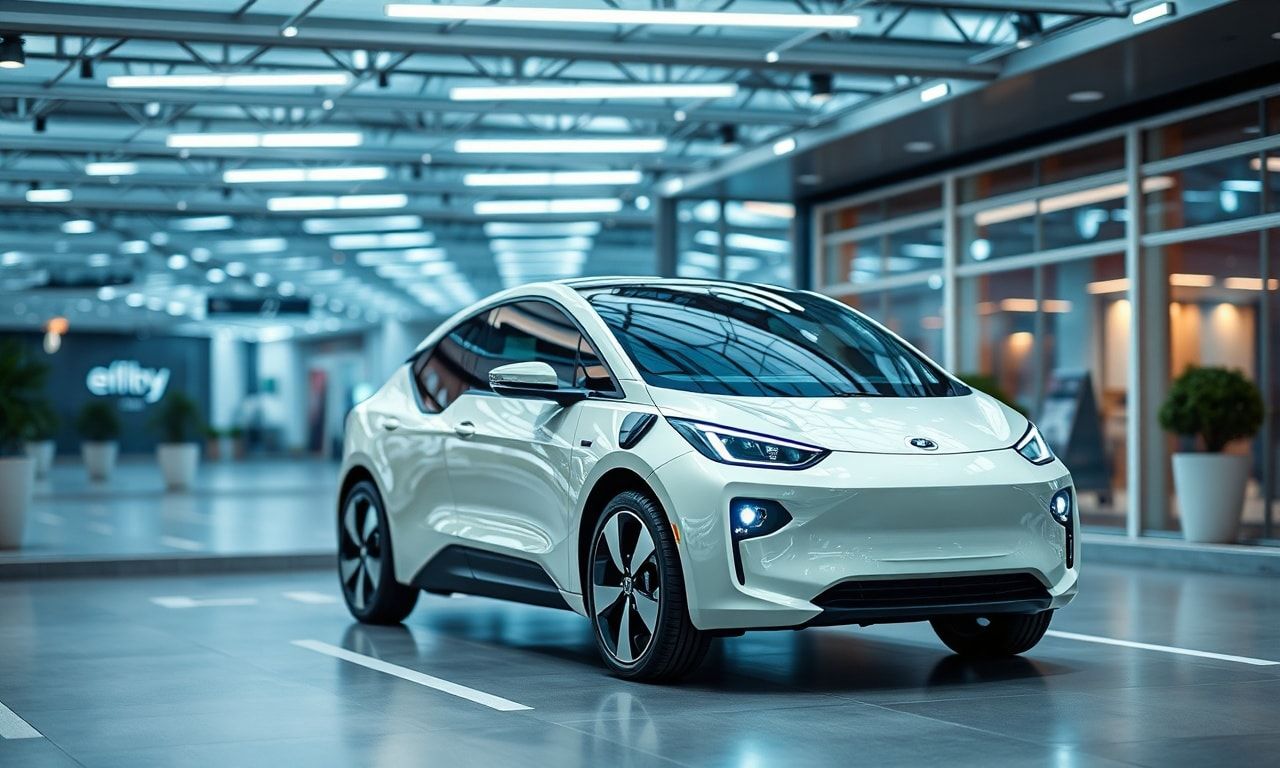
The Rise of Electric Vehicles
The automotive industry is undergoing a significant transformation, driven by the rise of electric vehicles (EVs). As concerns about climate change and environmental sustainability grow, consumers and manufacturers alike are turning to electric vehicles as a cleaner, more efficient alternative to traditional gasoline-powered cars. This shift is not only reshaping the automotive market but also paving the way for groundbreaking technological innovations.
Electric vehicles offer numerous advantages over their internal combustion engine counterparts. They produce zero tailpipe emissions, reducing air pollution and greenhouse gas emissions. Additionally, EVs are more energy-efficient, converting over 77% of the electrical energy from the grid to power at the wheels, compared to only 12%-30% for gasoline vehicles. This efficiency translates into lower operating costs and reduced dependence on fossil fuels.
The Technological Backbone of Electric Vehicles
The technological advancements that underpin electric vehicles are diverse and multifaceted. At the heart of every EV is the electric motor, which converts electrical energy into mechanical energy to drive the wheels. These motors are typically more reliable and require less maintenance than traditional engines. Moreover, the development of advanced battery technologies, such as lithium-ion and solid-state batteries, has significantly improved the range and performance of electric vehicles.
Another critical component of EVs is the onboard software and connectivity features. Modern electric vehicles are equipped with sophisticated software systems that manage everything from battery life to regenerative braking. These systems often include over-the-air (OTA) update capabilities, allowing manufacturers to remotely update the vehicle’s software to improve performance and add new features. Additionally, EVs are increasingly integrated with smart technologies, such as advanced driver-assistance systems (ADAS) and infotainment systems that offer seamless connectivity and entertainment options.
Innovations in Charging Infrastructure
The widespread adoption of electric vehicles is heavily dependent on the availability of a robust charging infrastructure. Governments and private companies are investing heavily in the development of charging networks to support the growing number of EVs on the road. Fast-charging stations, which can recharge an EV’s battery to 80% in as little as 20-30 minutes, are becoming more common, making long-distance travel in electric vehicles more feasible.
Innovations in charging technology are also playing a crucial role. Wireless charging, for example, is an emerging technology that allows EVs to charge without the need for physical cables. This technology uses electromagnetic fields to transfer energy from a charging pad on the ground to a receiver on the vehicle. While still in the early stages of development, wireless charging has the potential to revolutionize the way we power our electric vehicles, making the charging process more convenient and efficient.
The Role of Artificial Intelligence in Electric Vehicles
Artificial intelligence (AI) is another key technology driving the evolution of electric vehicles. AI algorithms are used to optimize various aspects of EV performance, from energy management to predictive maintenance. For instance, AI can analyze driving patterns and adjust the vehicle’s energy consumption to maximize efficiency. AI-powered predictive maintenance systems can also monitor the health of critical components, such as the battery and electric motor, and alert the driver or manufacturer when maintenance is required, preventing potential breakdowns and extending the lifespan of the vehicle.
AI is also enhancing the driving experience through advanced driver-assistance systems (ADAS). These systems use AI algorithms to process data from sensors and cameras to provide features such as adaptive cruise control, lane-keeping assist, and automatic emergency braking. As AI technology continues to advance, we can expect to see even more sophisticated features, such as fully autonomous driving capabilities, becoming standard in electric vehicles.
The Future of Electric Vehicles
The future of electric vehicles is bright, with numerous innovations and advancements on the horizon. One of the most exciting developments is the exploration of new battery technologies, such as solid-state batteries, which promise to offer higher energy density, faster charging times, and improved safety. Additionally, the integration of renewable energy sources, such as solar and wind power, into the charging infrastructure can further reduce the environmental impact of electric vehicles.
For those interested in exploring the latest models and innovations in electric vehicles, resources like elektrikli araba yeni modeller incelemesi provide comprehensive reviews and comparisons of the newest electric car models, helping consumers make informed decisions about their next vehicle purchase.
In conclusion, the rise of electric vehicles represents a significant step forward in the quest for sustainable and efficient transportation. As technology continues to evolve, we can expect to see even more groundbreaking innovations that will shape the future of mobility. The journey towards a cleaner, greener future is well underway, and electric vehicles are at the forefront of this transformation.
As electric vehicles continue to revolutionize transportation, understanding their underlying technologies is crucial; dive into the future of mobility and the innovations driving this shift.
As the tech world evolves, it’s crucial to stay informed about advancements in mobility; explore electric vehicle infrastructure progress and the innovations driving this transformation.
Discover how cutting-edge tech is revolutionizing the world of sports in innovations transforming athletics today, a must-read for tech enthusiasts and athletes alike.