The Intersection of AI and Cybersecurity
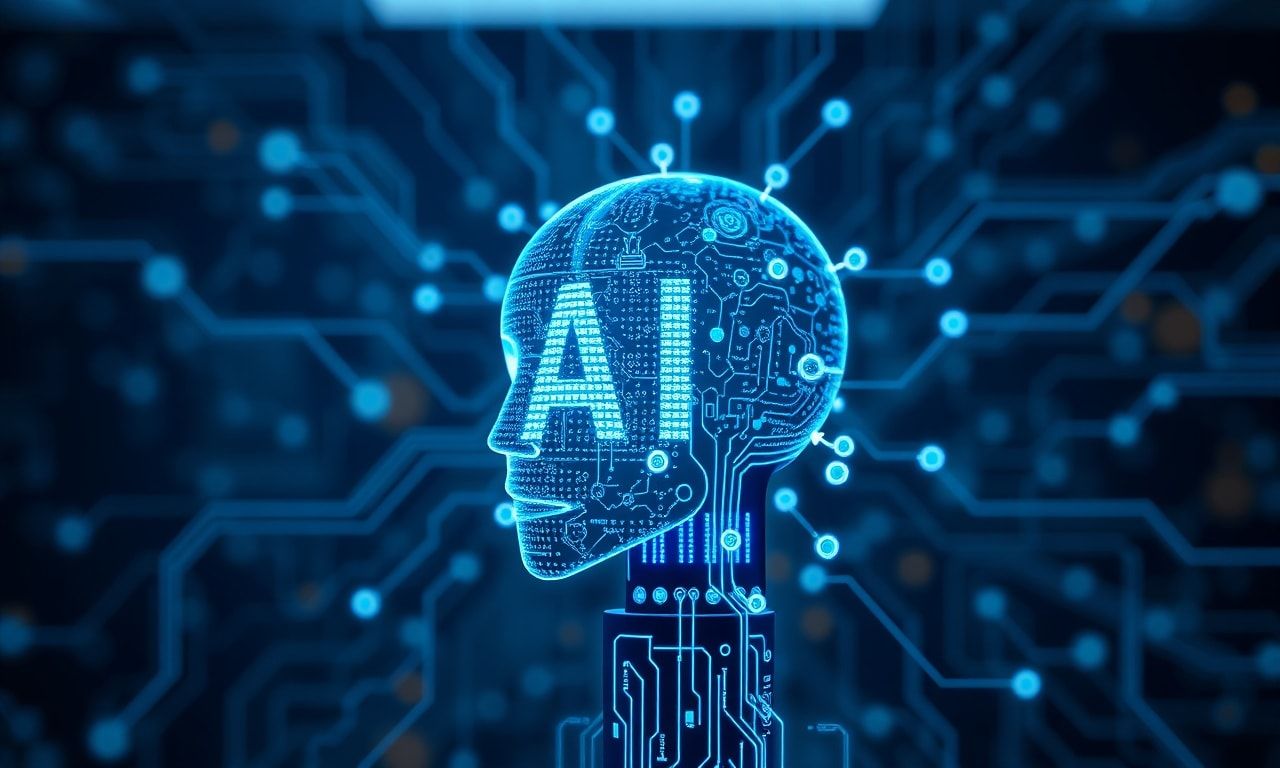
The rapid advancement of artificial intelligence (AI) has revolutionized various sectors, and cybersecurity is no exception. As cyber threats become more sophisticated, traditional security measures are often insufficient. AI offers a proactive approach to identifying and mitigating risks, making it an indispensable tool in the cybersecurity arsenal. This article explores the latest trends and innovations in AI-driven cybersecurity, highlighting how these technologies are shaping the future of digital defense.
The Role of AI in Threat Detection
One of the most significant contributions of AI to cybersecurity is its ability to detect threats in real-time. Machine learning algorithms can analyze vast amounts of data to identify patterns and anomalies that may indicate a cyber attack. Unlike traditional security systems that rely on predefined rules, AI can adapt and learn from new threats, providing a more dynamic and effective defense mechanism. For instance, AI-powered systems can detect phishing attempts, malware, and other malicious activities with a high degree of accuracy, reducing the risk of data breaches.
Moreover, AI can integrate with other technologies to enhance threat detection. For example, AI-driven security information and event management (SIEM) systems can correlate data from multiple sources, such as network traffic, user behavior, and system logs, to provide a comprehensive view of potential threats. This holistic approach enables security teams to respond more quickly and effectively to emerging risks.
AI in Vulnerability Management
Vulnerability management is another area where AI is making a significant impact. Identifying and patching vulnerabilities in software and hardware is a critical aspect of cybersecurity. AI can automate the process of scanning systems for vulnerabilities, reducing the time and effort required for manual assessments. By leveraging machine learning, AI can predict potential vulnerabilities based on historical data and emerging threat patterns, allowing organizations to proactively address weaknesses before they are exploited.
Additionally, AI can prioritize vulnerabilities based on their severity and potential impact. This prioritization helps security teams focus their resources on the most critical issues, ensuring that the most significant risks are mitigated first. AI-driven vulnerability management tools can also provide recommendations for remediation, such as applying patches or configuring security settings, further streamlining the vulnerability management process.
The Impact of AI on Incident Response
Incident response is a critical component of cybersecurity, and AI is transforming the way organizations handle security incidents. AI-powered incident response systems can automate the detection and containment of threats, reducing the time it takes to respond to an attack. For example, AI can isolate infected systems, block malicious traffic, and initiate recovery procedures without human intervention. This automation not only speeds up the response process but also reduces the risk of human error, which can exacerbate the impact of a cyber attack.
Furthermore, AI can enhance incident response by providing real-time insights and recommendations. AI-driven systems can analyze the root cause of an incident, identify affected systems, and suggest remediation steps. This information can help security teams understand the scope of an attack and take appropriate actions to mitigate its impact. AI can also facilitate communication and collaboration among team members, ensuring that everyone is on the same page during an incident response.
AI and User Behavior Analytics
User behavior analytics (UBA) is another area where AI is making waves in cybersecurity. UBA involves monitoring user activities to detect anomalous behavior that may indicate a security threat. AI can analyze user behavior patterns to identify deviations from normal activities, such as unusual login times, access to sensitive data, or attempts to bypass security controls. By detecting these anomalies, AI can help prevent insider threats and other malicious activities.
AI-driven UBA systems can also integrate with other security technologies to provide a more comprehensive view of user behavior. For example, AI can correlate user activities with network traffic, system logs, and other data sources to identify potential threats. This integration enables security teams to detect and respond to threats more effectively, reducing the risk of data breaches and other security incidents.
In addition to threat detection, AI can also enhance user behavior analytics by providing insights into user behavior trends. For instance, AI can identify patterns of behavior that may indicate a user is at risk of being compromised, such as clicking on phishing links or downloading malicious files. By identifying these trends, AI can help organizations implement targeted security awareness training and other measures to mitigate risks.
The Future of AI in Cybersecurity
The future of AI in cybersecurity looks promising, with continued advancements in machine learning, natural language processing, and other AI technologies. As cyber threats become more sophisticated, AI will play an increasingly important role in detecting and mitigating risks. Organizations that leverage AI-driven cybersecurity solutions will be better equipped to protect their systems and data from evolving threats.
Moreover, the integration of AI with other emerging technologies, such as blockchain and the Internet of Things (IoT), will further enhance cybersecurity capabilities. For example, AI can be used to secure IoT devices by detecting and mitigating vulnerabilities in real-time. Similarly, AI can be integrated with blockchain to enhance the security of decentralized systems, ensuring that transactions are secure and tamper-proof.
In conclusion, AI is transforming the cybersecurity landscape by providing advanced threat detection, vulnerability management, incident response, and user behavior analytics capabilities. As AI technologies continue to evolve, organizations must stay abreast of the latest trends and innovations to ensure they are well-equipped to handle emerging cyber threats. By leveraging AI-driven cybersecurity solutions, organizations can enhance their security posture and protect their systems and data from evolving risks.
For more insights into the latest trends and innovations in technology, be sure to check out edinburgh dining news updates for a unique perspective on how technology is shaping various industries.
To stay ahead in the rapidly evolving tech landscape, dive into emerging tech trends shaping 2026 and discover the innovations driving the future of software, AI, and cybersecurity.
As technology continues to evolve, so do our methods of harnessing renewable energy; discover how next-gen solar panels advance both tech and sustainability.
Discover the cutting-edge advancements reshaping our daily lives by exploring tech innovations transforming everyday routines, from AI to cybersecurity.