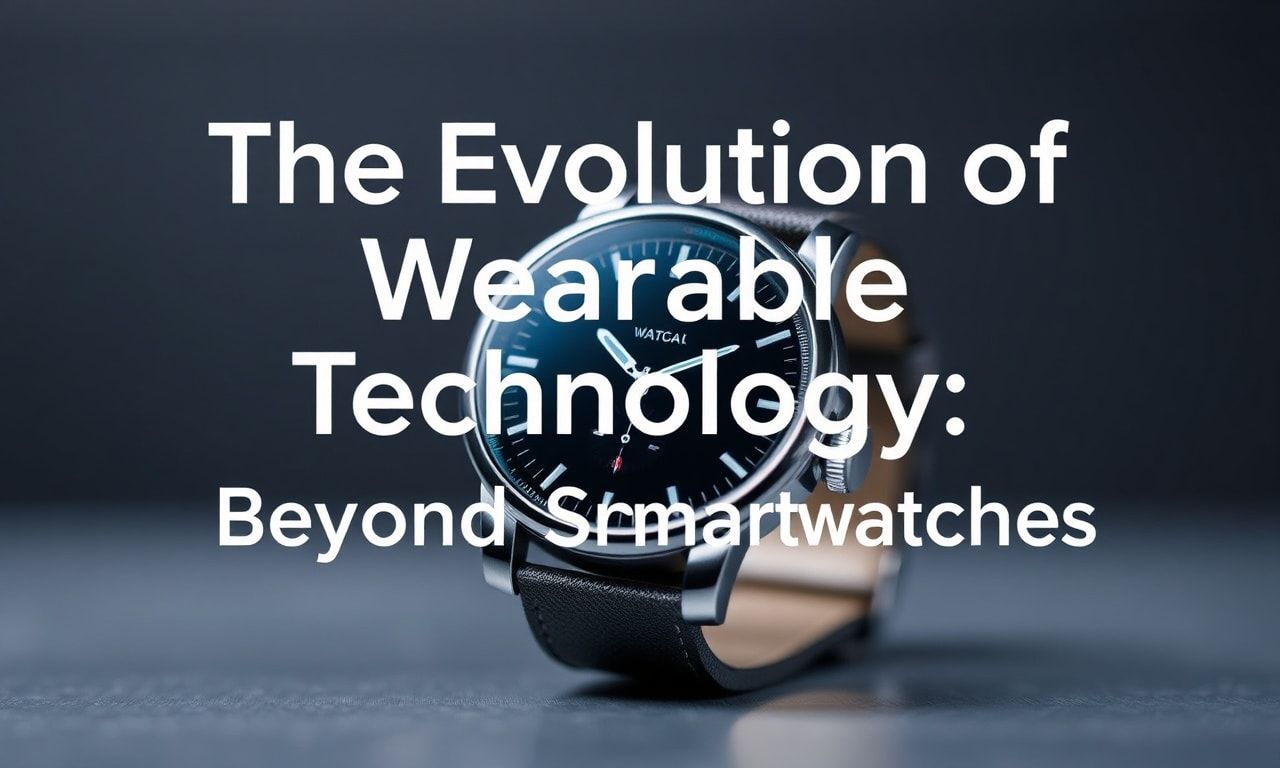
The Dawn of Wearable Tech
Wearable technology has come a long way since the introduction of the first smartwatch. Initially, these devices were simple extensions of our smartphones, offering basic notifications and fitness tracking. However, the landscape has evolved dramatically, with wearables now incorporating advanced sensors, AI, and even health monitoring capabilities. This evolution has been driven by the need for more personalized and proactive health management, as well as the desire for seamless integration with our digital lives.
The Role of AI in Modern Wearables
Artificial Intelligence (AI) has played a pivotal role in the advancement of wearable technology. Today’s smartwatches and fitness bands are equipped with AI algorithms that can analyze vast amounts of data collected from various sensors. These algorithms can detect patterns and provide insights into the user’s health and lifestyle. For instance, AI can monitor heart rate variability to predict stress levels or analyze sleep patterns to suggest improvements. This level of personalization was unimaginable just a few years ago.
Moreover, AI-powered wearables can offer useful information daily tips to help users make healthier choices. From reminding users to stay hydrated to suggesting optimal times for physical activity, these devices are becoming indispensable tools for maintaining a healthy lifestyle. The integration of AI has also led to the development of more sophisticated health monitoring features, such as fall detection and irregular heart rhythm notifications, which can be life-saving.
The Impact of Cybersecurity on Wearable Devices
As wearable technology becomes more advanced, the need for robust cybersecurity measures has become paramount. With sensitive health data being collected and transmitted, the risk of data breaches and unauthorized access is a significant concern. Manufacturers are now focusing on implementing strong encryption protocols and secure authentication methods to protect user data. Additionally, regular software updates and patches are essential to address any vulnerabilities that may arise.
Users can also play a role in enhancing the security of their wearable devices. Simple steps such as using strong passwords, enabling two-factor authentication, and being cautious about sharing personal information can go a long way in safeguarding their data. As the wearable tech market continues to grow, it is crucial for both manufacturers and users to prioritize cybersecurity to ensure a safe and secure user experience.
The Future of Wearable Technology
The future of wearable technology is bright, with innovations on the horizon that promise to revolutionize the way we interact with our devices. One of the most exciting developments is the integration of augmented reality (AR) into wearables. AR glasses and smart lenses have the potential to overlay digital information onto the real world, providing users with real-time data and enhancing their daily activities. This technology can be particularly useful in fields such as healthcare, education, and navigation.
Another area of growth is the development of wearable devices that can monitor environmental factors. For example, smart rings and patches can detect air quality, UV exposure, and even pollution levels, helping users make informed decisions about their surroundings. These devices can also be used to track environmental changes over time, contributing to broader efforts in climate monitoring and public health.
The Importance of User-Centric Design
As wearable technology continues to evolve, the importance of user-centric design cannot be overstated. Manufacturers must prioritize the needs and preferences of their users to create devices that are not only functional but also comfortable and aesthetically pleasing. This involves conducting extensive user research, gathering feedback, and iterating on designs to ensure that the final product meets the highest standards of quality and usability.
Additionally, manufacturers should focus on creating devices that are accessible to a wide range of users, including those with disabilities. Features such as voice control, haptic feedback, and customizable interfaces can make wearable technology more inclusive and user-friendly. By prioritizing user-centric design, manufacturers can ensure that their devices are not only innovative but also practical and enjoyable to use.
Conclusion
The evolution of wearable technology has been remarkable, with advancements in AI, cybersecurity, and user-centric design driving the industry forward. As we look to the future, the possibilities are endless, with innovations such as AR integration and environmental monitoring set to transform the way we interact with our devices. By prioritizing user needs and ensuring robust security measures, manufacturers can create wearables that are not only cutting-edge but also safe and accessible to all. The future of wearable technology is bright, and we can expect to see even more exciting developments in the years to come.
In the realm of tech and digital marketing, understanding the role of healthy habits in brand building is crucial. Delve into digital marketing and brand structuring to see how these principles apply to modern tech innovations.
As tech enthusiasts embrace streamlined digital lifestyles, exploring minimalism’s role in tech offers intriguing insights into current trends.
As tech continues to shape our lives, discover tech’s role in family bonding and how innovations can bring loved ones closer together.