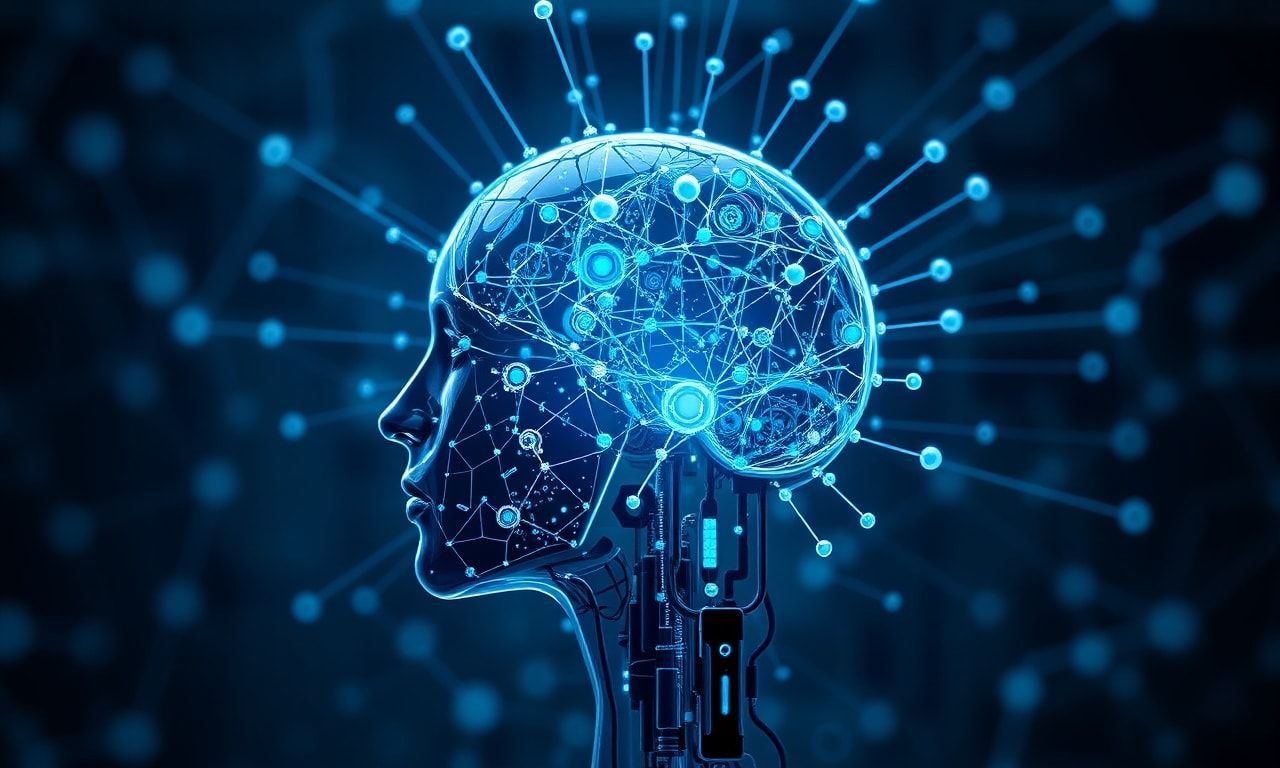
The Dawn of AI: A Historical Perspective
The concept of artificial intelligence (AI) has captivated human imagination for decades, transitioning from the realms of science fiction to an integral part of our daily lives. The journey began in the mid-20th century with pioneers like Alan Turing, who laid the groundwork for modern computing and AI. Turing’s seminal work, ‘Computing Machinery and Intelligence,’ introduced the idea of machines that could think, setting the stage for future advancements.
In the 1950s, the term ‘artificial intelligence’ was formally coined, and the first AI programs were developed. These early programs focused on solving complex mathematical problems and playing games like chess. The 1980s saw the rise of expert systems, which mimicked the decision-making abilities of human experts in specific domains. These systems were particularly useful in fields such as medicine and engineering, where precise and consistent decision-making was crucial.
The Modern AI Landscape
Today, AI has evolved into a multifaceted field encompassing machine learning, natural language processing, computer vision, and robotics. Machine learning, a subset of AI, has gained significant traction due to its ability to learn from data and improve over time. Algorithms like neural networks and deep learning models have revolutionized industries ranging from healthcare to finance, enabling breakthroughs in diagnostics, fraud detection, and personalized marketing.
Natural language processing (NLP) has transformed the way we interact with technology. Virtual assistants like Siri, Alexa, and Google Assistant use NLP to understand and respond to human language, making our lives more convenient. Similarly, computer vision has enabled machines to interpret and analyze visual data, leading to advancements in autonomous vehicles, surveillance, and medical imaging.
The Role of AI in Cybersecurity
One of the most critical applications of AI is in the field of cybersecurity. As cyber threats become more sophisticated, traditional security measures are no longer sufficient. AI-powered cybersecurity systems can detect and respond to threats in real-time, using machine learning algorithms to identify patterns and anomalies. These systems can predict potential attacks and take proactive measures to mitigate risks, ensuring the safety of sensitive data.
AI can also be used to automate routine security tasks, freeing up human analysts to focus on more complex issues. For example, AI can monitor network traffic, identify suspicious activities, and generate alerts. This not only improves the efficiency of security operations but also reduces the likelihood of human error. Additionally, AI can be used to enhance threat intelligence by analyzing vast amounts of data from various sources, providing valuable insights into emerging threats and vulnerabilities.
AI in Everyday Life
AI has seamlessly integrated into our daily routines, often without us even realizing it. From personalized recommendations on streaming platforms to smart home devices that learn our preferences, AI is everywhere. For instance, AI algorithms analyze our browsing history and purchase behavior to suggest products and services tailored to our needs. This not only enhances our shopping experience but also drives sales for businesses.
In the healthcare sector, AI is revolutionizing diagnostics and treatment. AI-powered tools can analyze medical images with remarkable accuracy, assisting doctors in detecting diseases at early stages. AI can also be used to develop personalized treatment plans based on a patient’s genetic makeup and medical history, leading to more effective and targeted therapies. Furthermore, AI is being used to streamline administrative tasks, reducing the burden on healthcare professionals and improving patient care.
The Future of AI
The future of AI holds immense potential, with advancements in areas like quantum computing and edge computing set to further revolutionize the field. Quantum computing, for example, could significantly enhance the processing power of AI systems, enabling them to solve complex problems that are currently beyond our reach. Similarly, edge computing, which involves processing data closer to the source, can reduce latency and improve the efficiency of AI applications.
As AI continues to evolve, it is essential to address ethical and societal concerns. Issues such as data privacy, algorithmic bias, and job displacement need to be carefully considered to ensure that AI is used responsibly and ethically. Organizations like the ilginç bilgiler genel kültür are dedicated to promoting awareness and understanding of these issues, fostering a more informed and inclusive approach to AI development.
In conclusion, the journey of AI from science fiction to everyday reality is a testament to human ingenuity and innovation. As we continue to explore the vast potential of AI, it is crucial to strike a balance between technological advancement and ethical considerations. By doing so, we can harness the power of AI to create a better, more connected world.
Intrigued by the evolving relationship between tech and society? Delve into our latest feature, technology’s societal impact today, and explore how innovations like AI and cybersecurity are shaping our digital future.
Discover how the upcoming celestial event can inspire tech innovations and educational tools by exploring the educational implications of the 2024 solar eclipse.
Dive into the fascinating world of AI-driven finance with our latest feature, AI transforming market predictions, and discover how technology is reshaping investment strategies and cybersecurity in the financial sector.