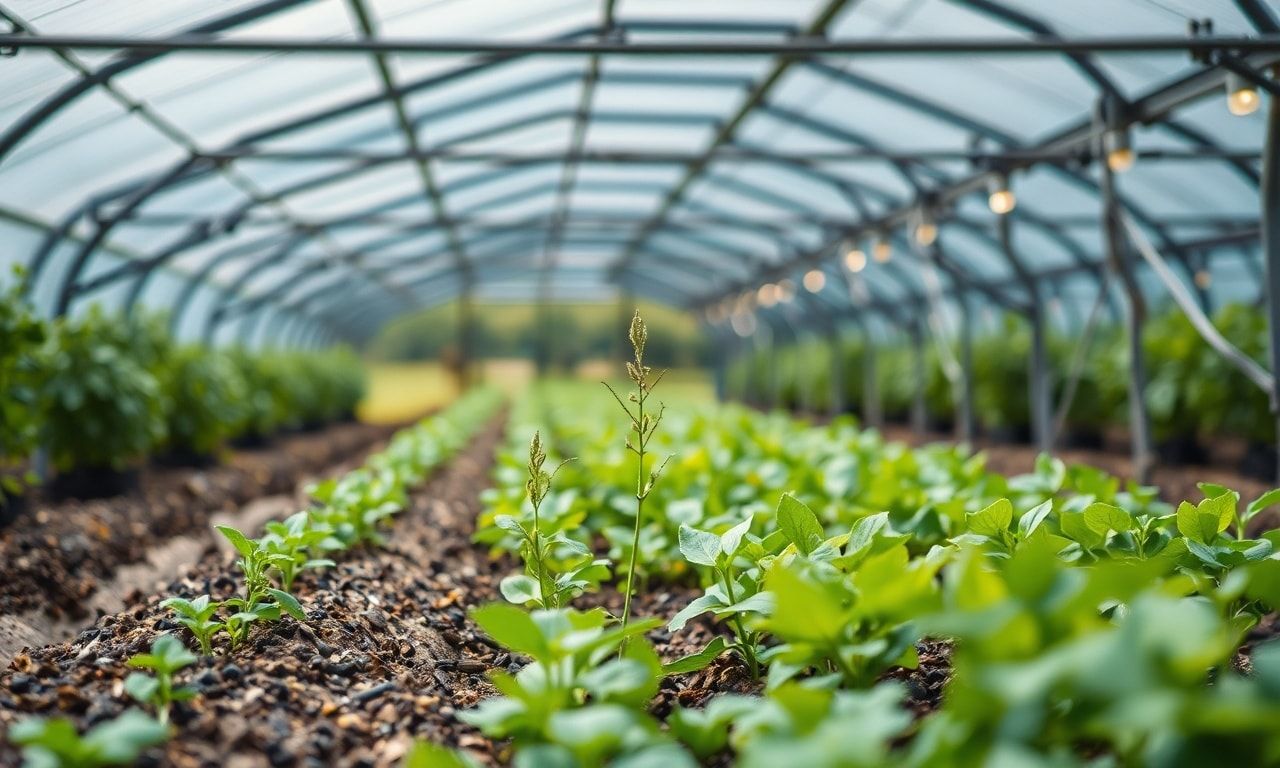
The Evolution of Technology in Agriculture
The agricultural sector has undergone a significant transformation with the advent of technology. From precision farming to smart irrigation systems, technology has revolutionized the way we cultivate crops and manage livestock. One of the most promising areas of innovation is the integration of technology with organic farming practices. This fusion not only enhances productivity but also promotes sustainability and environmental conservation.
The Role of Artificial Intelligence in Organic Farming
Artificial Intelligence (AI) is at the forefront of this technological revolution. AI-driven systems can analyze vast amounts of data to provide insights into soil health, weather patterns, and crop yields. These insights enable farmers to make informed decisions that optimize resource usage and minimize environmental impact. For instance, AI algorithms can predict the optimal time for planting and harvesting, ensuring that crops are grown under the best conditions.
Moreover, AI-powered drones and robots are being deployed to monitor crop health and detect early signs of disease or pest infestations. These technological advancements reduce the need for chemical pesticides and fertilizers, aligning with the principles of organic farming. By leveraging AI, farmers can adopt more sustainable practices that benefit both the environment and their bottom line.
Smart Irrigation Systems
Smart irrigation systems represent another significant technological innovation in organic farming. These systems use sensors and AI to monitor soil moisture levels and weather forecasts, ensuring that crops receive the right amount of water at the right time. This precision not only conserves water but also promotes healthy plant growth, as overwatering or underwatering can be detrimental to crops.
Additionally, smart irrigation systems can be integrated with other farm management tools to provide a comprehensive overview of farm operations. This holistic approach enables farmers to make data-driven decisions that enhance efficiency and sustainability. By adopting smart irrigation systems, farmers can reduce water waste and improve crop yields, contributing to a more sustainable agricultural ecosystem.
The Importance of Cybersecurity in Agricultural Technology
As technology becomes increasingly integral to agricultural practices, the importance of cybersecurity cannot be overstated. The interconnected nature of modern farming systems makes them vulnerable to cyber threats, which can disrupt operations and compromise sensitive data. Farmers must prioritize cybersecurity to protect their investments and ensure the continuity of their operations.
Implementing robust cybersecurity measures, such as firewalls, encryption, and regular software updates, is essential for safeguarding agricultural technology. Farmers should also educate themselves and their employees about the risks of cyber threats and the best practices for mitigating them. By adopting a proactive approach to cybersecurity, farmers can minimize the risk of data breaches and system failures, ensuring the smooth operation of their technological infrastructure.
Data Privacy and Compliance
Data privacy is another critical aspect of cybersecurity in agricultural technology. Farmers must comply with data protection regulations to ensure that sensitive information is handled responsibly. This includes implementing data encryption, access controls, and regular audits to monitor data usage and storage.
Furthermore, farmers should be aware of the potential risks associated with third-party vendors and service providers. Conducting thorough due diligence and establishing clear contracts and agreements can help mitigate these risks and ensure that data is protected throughout the supply chain. By prioritizing data privacy and compliance, farmers can build trust with their customers and partners, fostering a more secure and sustainable agricultural ecosystem.
The Future of Technology in Organic Farming
The future of technology in organic farming is bright, with ongoing advancements promising to revolutionize the sector. Emerging technologies such as blockchain, Internet of Things (IoT), and vertical farming are poised to transform the way we grow and distribute food. These innovations have the potential to enhance sustainability, reduce waste, and improve food security.
Blockchain technology, for example, can be used to create transparent and traceable supply chains, ensuring that organic products are sourced ethically and sustainably. IoT devices can monitor environmental conditions and provide real-time data to farmers, enabling them to make informed decisions that optimize crop yields and resource usage. Vertical farming, on the other hand, offers a space-efficient and resource-conscious approach to agriculture, allowing crops to be grown in urban environments with minimal environmental impact.
As these technologies continue to evolve, they will play an increasingly important role in shaping the future of organic farming. By embracing these innovations, farmers can adopt more sustainable practices that benefit both the environment and their communities. The integration of technology and organic farming represents a promising path towards a more sustainable and resilient agricultural future.
Cooking Tips to Support Organic Farming
In addition to technological innovations, there are practical steps that consumers can take to support organic farming. One such step is to incorporate organic ingredients into your cooking. By choosing organic produce, you are not only supporting sustainable farming practices but also promoting your health and well-being. For more cooking tips to support organic farming, consider exploring resources that provide guidance on selecting and preparing organic ingredients.
For instance, you can start by incorporating more plant-based meals into your diet, as plant-based diets are often more sustainable and require fewer resources. Additionally, you can reduce food waste by planning your meals carefully and storing food properly. By making these small changes, you can contribute to a more sustainable food system and support the growth of organic farming.
Discover how tech is driving eco-friendly advancements in our latest feature, green innovations in technology.
Innovative approaches in education are increasingly leveraging technology, and our latest article, plant-based learning and nutrition, explores how tech-driven methods are enhancing cognitive performance and learning outcomes.
As technology continues to shape our world, exploring the role of education in sustainable living becomes crucial; delve into future-ready learning approaches to understand how tech innovations can drive positive change.