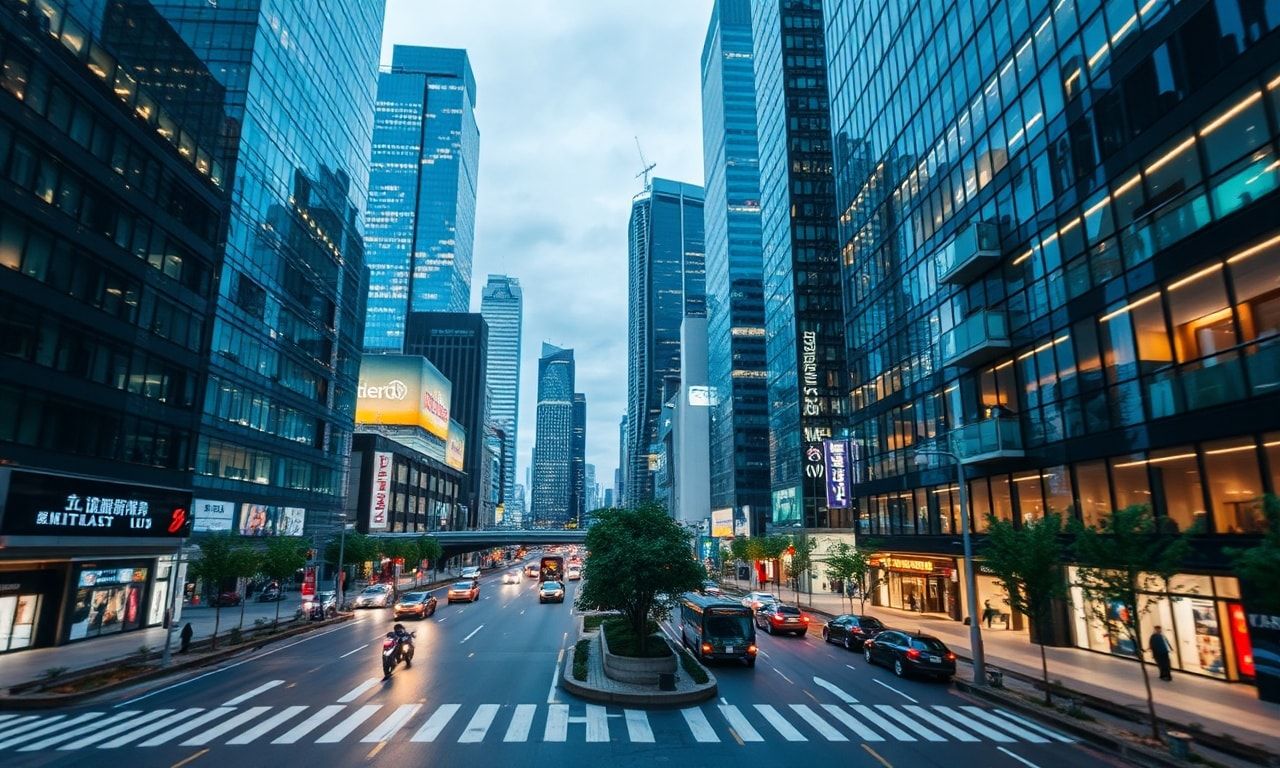
The Rise of Smart Cities
The world is witnessing a rapid urbanization trend, with more people moving into cities than ever before. This shift has led to an increased focus on urban development and the integration of technology to create smart cities. Smart cities leverage data and technology to improve the quality of life for their residents, enhance sustainability, and streamline urban services. From intelligent traffic management systems to energy-efficient buildings, the possibilities are endless.
One of the key components of smart cities is the Internet of Things (IoT). IoT devices collect and exchange data, enabling cities to monitor and manage various aspects of urban life. For instance, smart sensors can detect air quality, water levels, and traffic patterns, providing real-time data that can be used to make informed decisions. This data-driven approach not only improves efficiency but also enhances the overall livability of urban areas.
The Role of AI in Urban Planning
Artificial Intelligence (AI) is playing a pivotal role in urban planning and development. AI algorithms can analyze vast amounts of data to predict trends, optimize resources, and enhance decision-making processes. For example, AI can be used to predict traffic congestion and suggest alternative routes, reducing travel time and fuel consumption. Similarly, AI-powered systems can manage energy consumption in buildings, ensuring optimal use of resources and reducing carbon footprints.
In addition to traffic and energy management, AI is also being used in urban design and architecture. Architects and urban planners are leveraging AI tools to create more efficient and sustainable designs. These tools can simulate different scenarios, allowing planners to visualize the impact of their designs on the urban environment. This not only speeds up the planning process but also ensures that the final designs are both functional and aesthetically pleasing.
Cybersecurity in Smart Cities
While the benefits of smart cities are numerous, they also come with their own set of challenges, particularly in the realm of cybersecurity. As cities become more connected, they also become more vulnerable to cyber threats. Hackers can target critical infrastructure, such as power grids and traffic management systems, causing significant disruption and potential harm. Therefore, it is crucial for smart cities to implement robust cybersecurity measures to protect their systems and data.
One of the ways to enhance cybersecurity in smart cities is through the use of blockchain technology. Blockchain provides a decentralized and secure way to store and manage data, making it difficult for hackers to tamper with. Additionally, cities can employ AI-powered cybersecurity systems that can detect and respond to threats in real-time. These systems can analyze network traffic, identify unusual patterns, and take appropriate actions to mitigate risks.
The Future of Smart Cities
The future of smart cities looks promising, with advancements in technology continuing to drive innovation. One of the emerging trends is the use of 5G technology, which promises faster and more reliable connectivity. This will enable the deployment of more IoT devices and enhance the overall functionality of smart cities. Additionally, advancements in AI and machine learning will further improve the efficiency and effectiveness of urban services.
Another exciting development is the integration of smart cities with sustainable practices. Cities are increasingly focusing on renewable energy sources, such as solar and wind power, to reduce their carbon footprints. Smart grids, which use digital technology to manage electricity distribution, are also being implemented to optimize energy use and reduce waste. These initiatives not only contribute to environmental sustainability but also create new opportunities for economic growth and innovation.
Case Study: Round Rock, Texas
Round Rock, Texas, is a prime example of a city embracing smart technology to improve urban living. The city has implemented various initiatives to enhance sustainability and efficiency. For instance, Round Rock has adopted smart meters to monitor energy consumption and reduce waste. Additionally, the city has invested in smart traffic management systems to optimize traffic flow and reduce congestion. These efforts have not only improved the quality of life for residents but also positioned Round Rock as a leader in smart city development.
For more insights into the architectural and design trends shaping Round Rock, you can visit Round Rock Texas architecture and design trends. This resource provides a comprehensive overview of the innovative approaches being used to create sustainable and livable urban spaces.
To stay ahead in the rapidly evolving e-commerce landscape, delve into our comprehensive 2023 success guide that covers the latest tech innovations and strategies.
Dive into the intersection of tech and culture with our latest feature, urban arts and innovation, showcasing how cities like Round Rock are blending creativity with cutting-edge technology.
To understand how tech advancements are reshaping governance, explore tech’s role in modern politics and its implications for cybersecurity and AI integration.