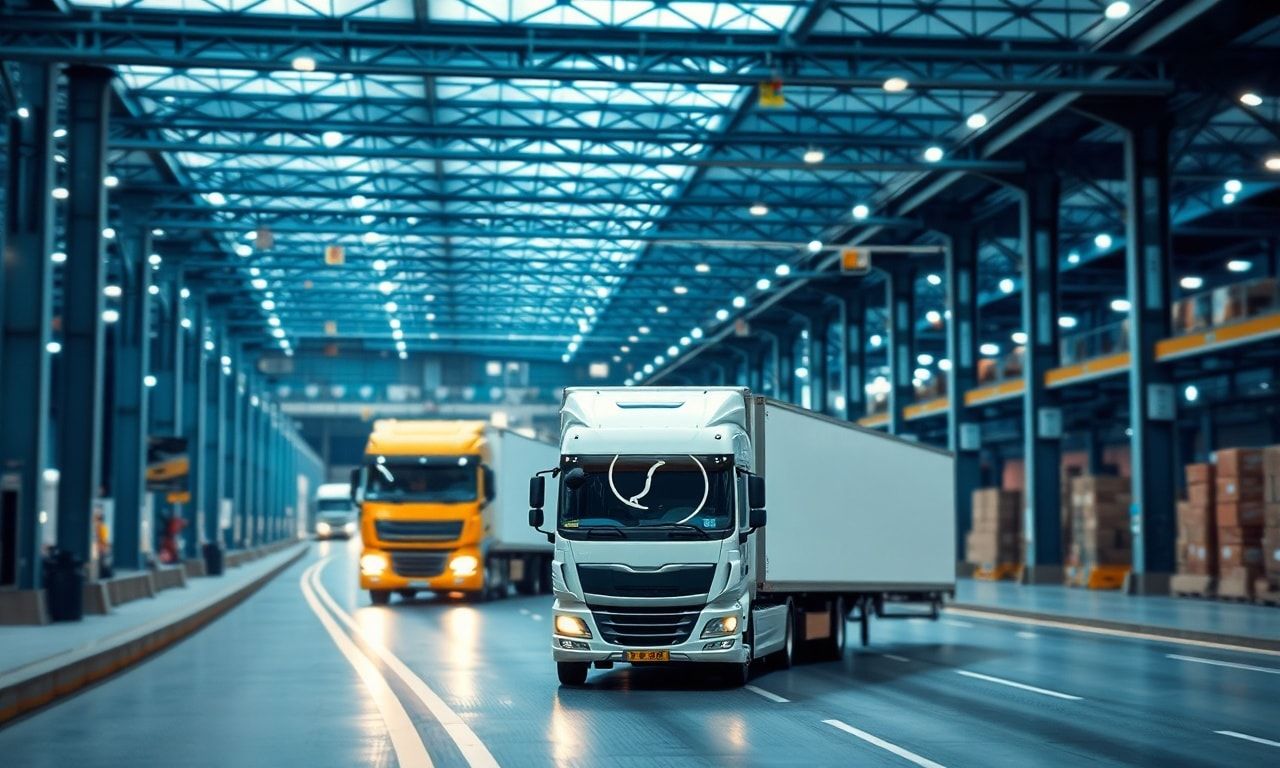
The Digital Transformation of Logistics
The logistics industry, often considered the backbone of global trade, is undergoing a significant transformation driven by technological advancements. From artificial intelligence (AI) to blockchain, technology is reshaping how goods are transported, tracked, and delivered. This article explores the key technological innovations that are revolutionizing the logistics sector, making it more efficient, transparent, and customer-centric.
The Role of AI and Machine Learning
Artificial intelligence and machine learning are at the forefront of this technological revolution. AI algorithms analyze vast amounts of data to optimize routes, predict demand, and manage inventory levels. Machine learning models can identify patterns and anomalies in logistics operations, enabling companies to proactively address potential issues before they escalate. For instance, AI-powered predictive analytics can forecast delays caused by weather conditions, traffic congestion, or other factors, allowing logistics companies to adjust their plans accordingly.
Moreover, AI-driven chatbots and virtual assistants are enhancing customer service in the logistics industry. These tools can handle customer inquiries, provide real-time updates on shipment status, and even assist with customs clearance procedures. By automating routine tasks, AI frees up human resources to focus on more complex and strategic activities.
Autonomous Vehicles and Drones
Autonomous vehicles and drones are poised to revolutionize the way goods are transported. Self-driving trucks, for example, can operate continuously without the need for human intervention, significantly reducing labor costs and increasing efficiency. Companies like Tesla and Waymo are already testing autonomous trucks on public roads, with promising results. Similarly, drones are being used for last-mile deliveries, particularly in remote or hard-to-reach areas. Amazon’s Prime Air service, for instance, aims to deliver packages to customers within 30 minutes using drones.
These technologies not only speed up delivery times but also reduce the environmental impact of logistics operations. Electric autonomous vehicles and drones produce fewer emissions compared to traditional diesel-powered trucks, contributing to a more sustainable future.
The Internet of Things (IoT) and Real-Time Tracking
The Internet of Things (IoT) is playing a crucial role in enhancing the transparency and efficiency of logistics operations. IoT devices, such as GPS trackers, sensors, and RFID tags, enable real-time monitoring of shipments, providing valuable data on location, temperature, humidity, and other environmental conditions. This information is invaluable for ensuring the integrity and safety of goods, particularly for perishable items like food and pharmaceuticals.
Real-time tracking also improves customer satisfaction by providing accurate and up-to-date information on shipment status. Customers can track their packages in real-time, reducing anxiety and improving overall trust in the logistics provider. Additionally, IoT-enabled devices can alert logistics companies to potential issues, such as unauthorized access or damage to goods, allowing them to take immediate action.
The Importance of Cybersecurity in Logistics
As the logistics industry becomes increasingly digital, the importance of cybersecurity cannot be overstated. Cyber threats, such as data breaches, ransomware attacks, and phishing scams, can disrupt logistics operations and compromise sensitive information. To mitigate these risks, logistics companies must invest in robust cybersecurity measures, such as encryption, firewalls, and intrusion detection systems.
Moreover, logistics companies should train their employees on cybersecurity best practices, such as recognizing phishing emails and using strong passwords. Regular security audits and penetration testing can also help identify and address vulnerabilities in the system. By prioritizing cybersecurity, logistics companies can protect their operations and maintain the trust of their customers.
The Future of Logistics: Blockchain and Beyond
Blockchain technology is another innovation that is set to transform the logistics industry. Blockchain provides a decentralized and immutable ledger that can be used to track the provenance and movement of goods. This technology enhances transparency and reduces the risk of fraud, as all parties involved in the supply chain can access the same information.
For example, a shipment of goods can be tracked from the manufacturer to the end customer, with each transaction recorded on the blockchain. This ensures that all parties have a clear and accurate record of the shipment’s journey, reducing the risk of disputes and errors. Additionally, blockchain can streamline customs clearance procedures by providing a secure and efficient way to verify the authenticity of documents.
Looking ahead, the logistics industry is likely to see further advancements in areas such as quantum computing, 5G connectivity, and augmented reality. These technologies have the potential to further enhance the efficiency, transparency, and customer experience of logistics operations. As the industry continues to evolve, logistics companies must stay abreast of these developments and invest in the technologies that will drive their success.
For those in the logistics industry seeking to stay connected and informed, resources like the nakliyat telefon rehberi portal can be invaluable. This portal provides a comprehensive directory of contact information for logistics companies, making it easier for professionals to network and collaborate.
Conclusion
The logistics industry is undergoing a profound transformation driven by technological innovations. From AI and machine learning to autonomous vehicles and blockchain, these technologies are making logistics operations more efficient, transparent, and customer-centric. As the industry continues to evolve, logistics companies must embrace these advancements and invest in the technologies that will drive their success in the digital age.