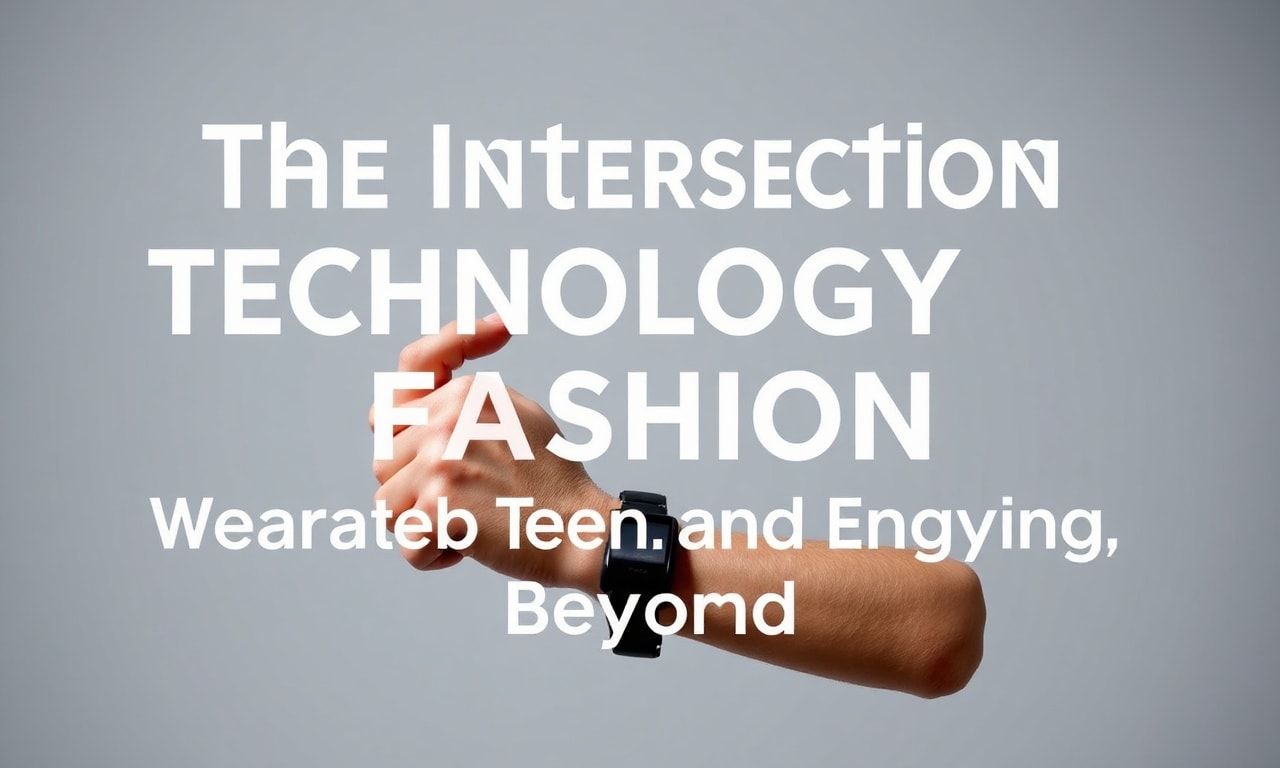
The Evolution of Wearable Technology
Wearable technology has come a long way from the basic pedometers of the past. Today, wearables are sophisticated devices that integrate seamlessly into our daily lives, offering a range of functionalities from health monitoring to entertainment. The evolution of wearable tech is a testament to the rapid advancements in technology and the increasing demand for devices that can enhance our daily experiences.
Early wearables were primarily focused on fitness tracking, with devices like the Fitbit and Apple Watch leading the market. These devices could monitor steps taken, calories burned, and heart rate. However, as technology advanced, so did the capabilities of wearables. Today, we have devices that can monitor blood oxygen levels, detect irregular heart rhythms, and even provide insights into sleep patterns. The integration of artificial intelligence (AI) and machine learning (ML) has further enhanced the capabilities of wearables, making them more intuitive and personalized.
The Role of AI in Wearable Technology
AI and ML have played a crucial role in the evolution of wearable technology. These technologies enable wearables to learn from user behavior and adapt to their needs. For example, AI-powered wearables can provide personalized fitness recommendations based on a user’s activity levels and health data. They can also detect anomalies in health data and alert users to potential health issues.
Moreover, AI has enabled wearables to become more interactive and engaging. Voice assistants like Siri and Alexa have become common features in wearables, allowing users to control their devices hands-free. AI-powered wearables can also provide real-time translations, making them invaluable for travelers. The integration of AI in wearables is expected to continue, with advancements in natural language processing (NLP) and computer vision set to enhance the user experience further.
The Future of Wearable Tech: Predictions for 2026
Looking ahead, the future of wearable technology is bright. By 2026, we can expect to see even more sophisticated devices that integrate seamlessly into our lives. One area of growth is expected to be in the field of health monitoring. Wearables that can monitor a range of health metrics, from blood pressure to glucose levels, are likely to become more common. These devices could revolutionize healthcare, enabling early detection of health issues and providing personalized treatment recommendations.
Another area of growth is expected to be in the field of fashion tech. Wearables that are not only functional but also stylish are likely to gain popularity. For instance, smart jewelry is already gaining traction, with devices like the trendy jewelry for men 2026 offering a range of functionalities from fitness tracking to contactless payments. As technology advances, we can expect to see even more innovative designs that blend fashion and functionality.
The Importance of Cybersecurity in Wearable Technology
As wearables become more sophisticated and integrated into our daily lives, the importance of cybersecurity cannot be overstated. Wearables collect a wealth of sensitive data, from health information to location data. This data is valuable to hackers, who can use it for malicious purposes. Therefore, it is crucial that wearable manufacturers prioritize cybersecurity in their designs.
One way to enhance the cybersecurity of wearables is through the use of encryption. Encryption can protect data both at rest and in transit, making it difficult for hackers to access. Another way to enhance cybersecurity is through the use of biometric authentication. Biometric authentication, such as fingerprint or facial recognition, can provide an additional layer of security, ensuring that only authorized users can access the device.
Best Practices for Securing Wearable Devices
To ensure the security of wearable devices, users should follow best practices. These include:
- Regularly updating the device’s software to ensure that it has the latest security patches.
- Using strong, unique passwords for the device and any associated accounts.
- Enabling two-factor authentication for added security.
- Avoiding public Wi-Fi networks when accessing sensitive data.
- Being cautious when downloading third-party apps, as they may contain malware.
Conclusion
The intersection of technology and fashion is an exciting space, with wearable technology at the forefront. As AI and other technologies continue to advance, we can expect to see even more innovative devices that enhance our daily lives. However, with the increasing sophistication of wearables comes the need for robust cybersecurity measures. By prioritizing security in their designs and following best practices, users can enjoy the benefits of wearable technology while keeping their data safe.
Discover how AI-driven innovations are transforming home maintenance with robot cleaning technology advancements, showcasing the intersection of software, gadgets, and automation.
In our tech-driven world, understanding how daily habits influence health is crucial; explore wellness through lifestyle choices to optimize your routine.
To effectively manage your finances in the digital age, consider exploring personal finance tools and strategies tailored to the Bangladeshi market.