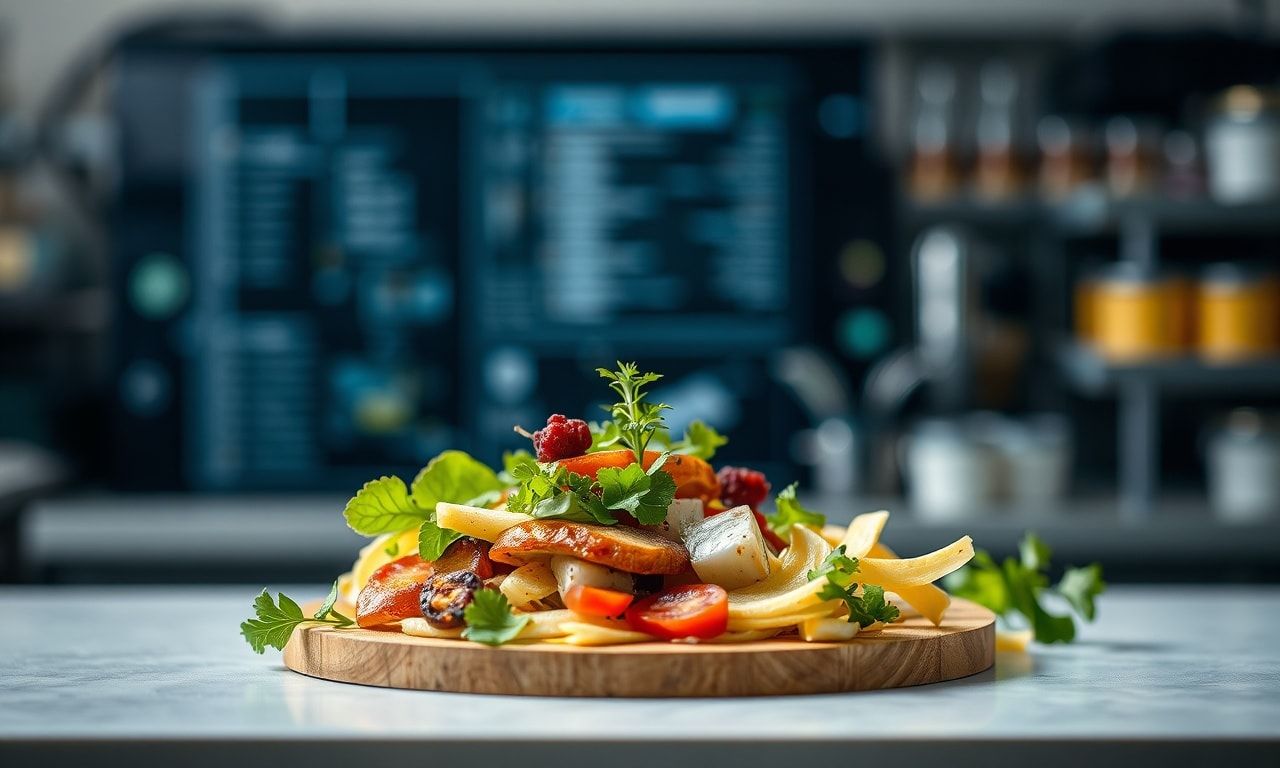
The Digital Revolution in the Kitchen
The culinary world is undergoing a significant transformation, driven by technological advancements. From smart kitchen appliances to AI-powered recipe generators, technology is reshaping how we cook, eat, and experience food. This article explores the fascinating intersection of technology and culinary innovation, highlighting how tech is enhancing our gastronomic experiences.
The Rise of Smart Kitchen Appliances
Smart kitchen appliances are becoming increasingly popular, offering convenience and efficiency. These devices, equipped with IoT (Internet of Things) technology, can be controlled remotely via smartphones or voice assistants. For instance, smart ovens can be preheated on your way home, and intelligent refrigerators can track food inventory and suggest recipes based on available ingredients. These innovations not only save time but also reduce food waste, making our kitchens more sustainable.
One of the most notable examples is the smart pressure cooker, which uses sensors to adjust cooking times and temperatures automatically. This ensures that meals are cooked to perfection every time. Additionally, smart scales and mixers can connect to apps that provide step-by-step cooking instructions, making it easier for both novice and experienced cooks to create delicious dishes.
AI and Machine Learning in the Culinary World
Artificial Intelligence (AI) and machine learning are revolutionizing the culinary industry. AI-powered apps can analyze vast amounts of data to generate personalized recipe recommendations. These apps consider dietary preferences, allergies, and nutritional needs, providing tailored suggestions that cater to individual tastes and health requirements.
Machine learning algorithms can also predict food trends by analyzing social media posts, restaurant menus, and food blogs. This helps chefs and food businesses stay ahead of the curve, creating dishes that resonate with contemporary tastes. For example, AI can identify emerging flavors and ingredients, enabling chefs to experiment with new culinary creations that captivate diners.
The Role of Technology in Food Delivery
Technology has transformed the food delivery industry, making it more efficient and customer-friendly. Food delivery apps use advanced algorithms to optimize delivery routes, ensuring that meals arrive hot and fresh. These apps also provide real-time tracking, allowing customers to monitor the progress of their orders.
Moreover, the integration of AI chatbots in food delivery platforms enhances customer service. These chatbots can handle customer inquiries, process orders, and provide personalized recommendations, improving the overall user experience. The use of drones and autonomous vehicles for food delivery is also on the horizon, promising even faster and more efficient service.
Enhancing Dining Experiences with Technology
Technology is not only changing how we cook and deliver food but also how we experience dining. Augmented Reality (AR) and Virtual Reality (VR) are being used to create immersive dining experiences. For instance, AR menus can provide detailed information about dishes, including their ingredients and nutritional values. VR dining experiences allow customers to explore virtual restaurants and interact with virtual chefs, making dining a more engaging and interactive activity.
Additionally, technology is enhancing the way we share our culinary experiences. Social media platforms and food blogs allow food enthusiasts to share their creations and discoveries with a global audience. This not only fosters a sense of community but also inspires others to explore new culinary horizons.
Cybersecurity in the Food Industry
As technology becomes more integral to the food industry, the need for robust cybersecurity measures becomes paramount. Food businesses must protect their customers’ data and ensure the security of their digital platforms. Cybersecurity threats such as data breaches and ransomware attacks can have severe consequences, including financial losses and damage to reputation.
To mitigate these risks, food businesses should implement strong cybersecurity protocols. This includes using encryption to protect sensitive data, regularly updating software to patch vulnerabilities, and training employees on cybersecurity best practices. Additionally, collaborating with cybersecurity experts can provide valuable insights and strategies to safeguard digital assets.
In the bustling city of New York, where culinary innovation meets technological advancement, you can find some of the best asian fusion restaurants in new york that leverage technology to enhance their dining experiences. These establishments use smart kitchen equipment, AI-driven menu planning, and advanced delivery systems to provide exceptional service and delight their customers.
The Future of Culinary Technology
The future of culinary technology is bright and promising. Emerging technologies such as 3D food printing, robotic chefs, and AI-powered taste analysis are set to revolutionize the way we cook and eat. 3D food printing, for example, allows for the creation of intricate and customized dishes, while robotic chefs can prepare meals with precision and consistency.
AI-powered taste analysis can analyze the chemical composition of food to predict its flavor profile, enabling chefs to create dishes that cater to specific tastes. These innovations, combined with advancements in cybersecurity, will continue to shape the culinary landscape, making our dining experiences more enjoyable, efficient, and secure.
Discover how AI is transforming culinary experiences in our latest feature, smart kitchen innovations, and see how technology is reshaping home cooking.
As tech enthusiasts, we also appreciate the great outdoors; discover Turkey’s stunning nature trails for a perfect digital detox.
As technology continues to shape our lives, it’s inspiring to see communities leverage innovations for wellness; Dundee’s holistic wellness journey showcases this beautifully.