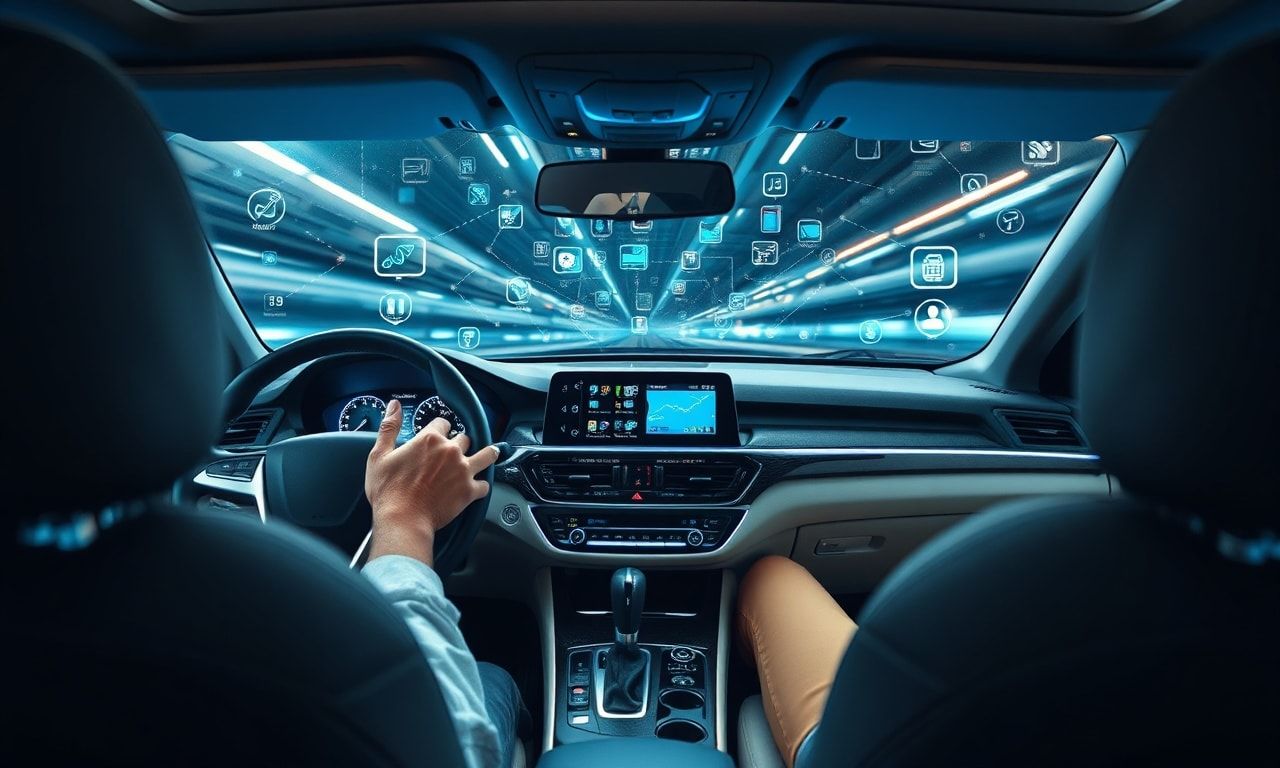
The Evolution of In-Car Technology
The automotive industry has witnessed a remarkable transformation over the past decade, driven largely by advancements in technology. From basic GPS systems to sophisticated infotainment units, the evolution of in-car technology has been nothing short of revolutionary. Today, vehicles are becoming increasingly connected, intelligent, and autonomous, thanks to the integration of artificial intelligence (AI) and the Internet of Things (IoT). These technologies are not only enhancing the driving experience but also improving safety, efficiency, and convenience.
The Role of AI in Modern Vehicles
Artificial intelligence is at the heart of many modern automotive innovations. AI-powered systems are capable of learning from data, making decisions, and performing tasks that traditionally required human intervention. In the context of in-car technology, AI is used for a variety of purposes, including:
- Advanced Driver Assistance Systems (ADAS): AI algorithms analyze data from sensors and cameras to provide real-time assistance to drivers, such as lane-keeping, adaptive cruise control, and collision avoidance.
- Voice Recognition: AI-powered voice assistants, like Apple’s Siri and Amazon’s Alexa, enable drivers to control various functions of their vehicles hands-free, from adjusting the climate control to navigating to a destination.
- Predictive Maintenance: AI systems can predict when a vehicle is likely to require maintenance by analyzing data from various sensors, helping to prevent breakdowns and reduce repair costs.
Moreover, AI is paving the way for fully autonomous vehicles. Companies like Tesla, Waymo, and Uber are investing heavily in developing self-driving cars that rely on AI to navigate complex environments and make decisions in real-time. While fully autonomous vehicles are still a few years away from becoming mainstream, the progress made so far is impressive and holds great promise for the future.
The Importance of Connectivity
Connectivity is another critical aspect of modern in-car technology. The Internet of Things (IoT) enables vehicles to communicate with each other, with infrastructure, and with the cloud, creating a networked ecosystem that enhances the driving experience. For instance, connected cars can receive real-time traffic updates, find the best routes, and even communicate with traffic lights to optimize traffic flow. Additionally, IoT enables over-the-air (OTA) updates, allowing manufacturers to remotely update software and fix bugs without requiring the vehicle to be brought in for service.
Furthermore, connectivity extends beyond the vehicle itself. With the rise of smart homes and smart cities, cars are becoming integral parts of these ecosystems. Drivers can use their vehicles to control smart home devices, such as adjusting the thermostat or turning on the lights, even when they are miles away. This level of integration not only adds convenience but also enhances security.
The Impact of In-Car Technology on Safety
One of the most significant benefits of in-car technology is the improvement in safety. Advanced driver assistance systems (ADAS) powered by AI and IoT are reducing the number of accidents caused by human error. Features like automatic emergency braking, blind-spot monitoring, and adaptive cruise control are becoming standard in many vehicles, helping drivers avoid collisions and navigate challenging driving conditions.
Additionally, in-car technology is playing a crucial role in emergency situations. Vehicles equipped with connected systems can automatically alert emergency services in the event of an accident, providing critical information such as the location of the crash and the severity of the impact. This rapid response can save lives and reduce the severity of injuries.
The Future of In-Car Entertainment
In-car entertainment is also evolving rapidly, thanks to advancements in technology. Modern infotainment systems offer a wide range of features, from streaming music and videos to providing real-time navigation and traffic updates. These systems are becoming more intuitive and user-friendly, with touchscreens, voice commands, and gesture controls becoming standard.
Moreover, the integration of AI and IoT is enabling personalized entertainment experiences. Vehicles can learn the preferences of their drivers and passengers, suggesting music, movies, and even routes based on past behavior. This level of personalization not only enhances the driving experience but also makes it more enjoyable and engaging.
The Challenges and Considerations
While the benefits of in-car technology are undeniable, there are also challenges and considerations that need to be addressed. One of the primary concerns is data privacy and security. As vehicles become more connected, they are also becoming more vulnerable to cyberattacks. Hackers can potentially gain access to a vehicle’s systems, compromising its safety and security.
To mitigate these risks, manufacturers are investing in robust cybersecurity measures, such as encryption, firewalls, and intrusion detection systems. Additionally, regulations are being put in place to ensure that vehicles meet certain security standards. However, the threat of cyberattacks is ever-evolving, and ongoing vigilance is required to stay ahead of potential threats.
Another challenge is the cost of in-car technology. While advanced features like AI and IoT offer numerous benefits, they also come at a price. High-end vehicles equipped with the latest technology can be expensive, putting them out of reach for many consumers. However, as technology becomes more widespread and production costs decrease, it is expected that these features will become more affordable and accessible.
Preparing for the Future
As in-car technology continues to evolve, it is essential for consumers to stay informed and prepared. Whether it’s understanding the capabilities of AI-powered systems or learning how to secure connected vehicles, knowledge is key to making the most of these advancements. Additionally, consumers should consider their needs and preferences when choosing a vehicle, ensuring that they select a model that offers the features and functionality they require.
For those who frequently embark on long drives, investing in reliable technology is crucial. For example, ensuring your vehicle is equipped with the best car phone chargers for long drives can make a significant difference in maintaining connectivity and convenience during extended journeys. As technology continues to advance, the possibilities for in-car innovation are endless, and the future of driving looks brighter than ever.
Discover how AI and cybersecurity are shaping the future of driving in our latest feature, tech’s impact on cars.
As technology continues to reshape our world, it’s fascinating to see how education is adapting; check out future learning trends today to stay informed about the latest innovations.
Exploring the unexpected connections between industries, our latest feature fashion’s political statements examines how global trends in style reflect and influence societal shifts, offering insights relevant to tech-driven cultural evolution.