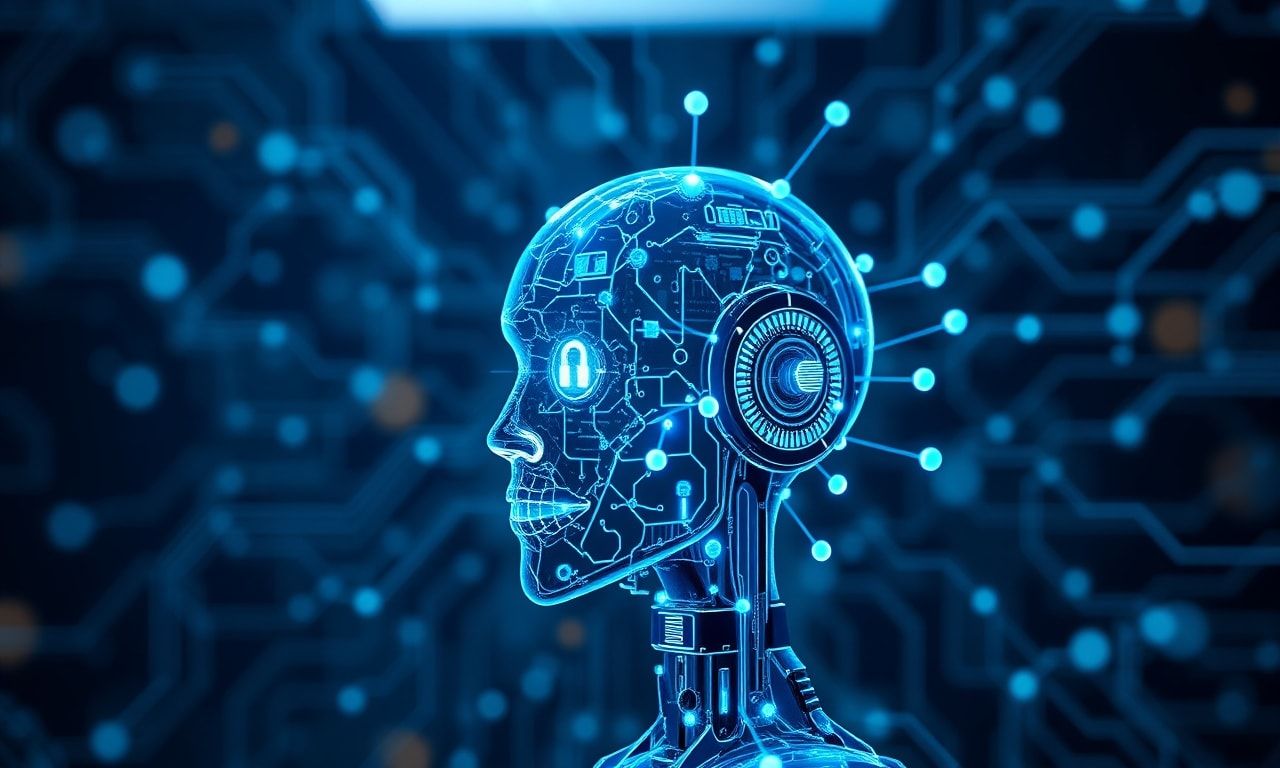
The Intersection of AI and Cybersecurity
The landscape of cybersecurity is undergoing a profound transformation, driven by the rapid advancements in artificial intelligence (AI). As cyber threats become more sophisticated, traditional security measures are often insufficient. AI’s ability to learn, adapt, and predict is revolutionizing how organizations protect their digital assets. This article explores the pivotal role of AI in modern cybersecurity, its benefits, challenges, and future prospects.
The Role of AI in Enhancing Cybersecurity
AI’s integration into cybersecurity has brought about significant improvements in threat detection, response times, and overall security posture. Machine learning algorithms can analyze vast amounts of data to identify patterns and anomalies that may indicate a cyber threat. This proactive approach allows security teams to mitigate risks before they escalate. Additionally, AI-powered systems can automate routine security tasks, freeing up human experts to focus on more complex issues.
Threat Detection and Prediction
One of the most critical applications of AI in cybersecurity is threat detection. AI systems can continuously monitor network traffic, user behavior, and system logs to detect unusual activities that may signify a cyber attack. By leveraging historical data, AI can predict potential threats and provide early warnings. This predictive capability is invaluable in preventing data breaches and minimizing damage. Moreover, AI can identify zero-day vulnerabilities, which are previously unknown security flaws that hackers exploit.
Automated Response Mechanisms
AI’s ability to automate responses to cyber threats is another game-changer. Automated response systems can isolate affected systems, block malicious IP addresses, and deploy patches to vulnerable software. This rapid response is crucial in containing cyber attacks and preventing them from spreading across the network. AI-driven automation also reduces the workload on security teams, allowing them to focus on strategic planning and complex problem-solving.
Challenges and Limitations
Despite its numerous benefits, AI in cybersecurity is not without its challenges. One of the primary concerns is the potential for false positives, where AI systems mistakenly identify legitimate activities as threats. This can lead to unnecessary disruptions and a loss of productivity. Additionally, cybercriminals are increasingly using AI to enhance their attacks, creating a cat-and-mouse game between defenders and attackers.
Data Privacy and Ethical Considerations
The use of AI in cybersecurity also raises important questions about data privacy and ethics. AI systems require access to vast amounts of data to function effectively, which can raise concerns about data privacy and compliance with regulations such as GDPR. Organizations must ensure that their AI systems are designed with privacy in mind and that they comply with all relevant laws and regulations.
The Need for Skilled Professionals
Another challenge is the need for skilled professionals who can effectively manage and maintain AI-powered cybersecurity systems. The rapid pace of technological change means that continuous training and education are essential. Organizations must invest in the development of their workforce to ensure they have the skills needed to leverage AI effectively. Additionally, collaboration between AI developers and cybersecurity experts is crucial to ensure that AI systems are designed to meet the unique needs of the cybersecurity landscape.
The Future of AI in Cybersecurity
The future of AI in cybersecurity is bright, with numerous advancements on the horizon. One promising area is the use of AI to enhance threat intelligence sharing. By leveraging AI, organizations can share threat intelligence more effectively, enabling faster and more coordinated responses to cyber attacks. Additionally, AI can be used to improve incident response planning and simulation, allowing organizations to better prepare for potential threats.
Integration with Other Technologies
AI is also being integrated with other emerging technologies, such as blockchain and the Internet of Things (IoT). Blockchain can provide a secure and transparent way to share threat intelligence, while IoT devices can be used to collect and analyze data from a wide range of sources. This integration can enhance the overall effectiveness of AI-powered cybersecurity systems.
Continuous Learning and Adaptation
As cyber threats continue to evolve, AI systems must also continuously learn and adapt. This requires ongoing research and development to ensure that AI systems remain effective against new and emerging threats. Organizations must invest in the development of AI technologies and collaborate with other stakeholders to stay ahead of the curve.
Conclusion
AI is transforming the field of cybersecurity, offering significant benefits in threat detection, response, and overall security posture. However, it also presents challenges that must be addressed. By leveraging AI effectively and investing in the development of skilled professionals, organizations can enhance their cybersecurity capabilities and better protect their digital assets. The future of AI in cybersecurity is promising, and organizations that embrace this technology will be well-positioned to navigate the evolving threat landscape. For those looking to enhance their online presence and security, tools like backlink agent für seo einsteiger can be invaluable in building a robust digital strategy.
As technology continues to revolutionize healthcare, delve into the latest breakthroughs with cutting-edge hair transplant innovations reshaping the industry.
To enhance your athletic performance with cutting-edge technology, explore the insights shared in unlocking peak athletic performance, where we delve into the latest innovations in sports tech and AI-driven training tools.
For more insights on this topic, you might find The Intersection of Technology and Fashion: particularly informative.