
Mastering Solar Install for Smart Domains: A Practical Guide
A practical, tech-focused guide to solar energy installation for facilities with smart systems, covering basics, options, pitfalls, and pro tips for reliable op

Readers ask how to approach solar energy installation for tech facilities without overpaying or losing uptime. This guide answers with clear steps, from assessing energy needs to choosing a system that fits digital infrastructure and cybersecurity requirements. You’ll learn how to plan, evaluate, and deploy a dependable setup aligned with tech operations.
To begin, identify load profiles, determine space constraints, and map grid interconnection options. The goal is a system that complements existing IT assets, with attention to reliability, monitoring, and future scalability. The following sections translate those needs into concrete actions.
Finally, you’ll see how to compare suppliers, verify warranties, and build a maintenance plan that protects data center uptime and software performance.
- Plan a solar installation by assessing tech loads and site constraints.
- Size and connect the system with grid-aware design, ensuring resilience and IT compatibility.
- Evaluate modules, inverters, and storage with an eye to monitoring and maintenance.
- Anticipate maintenance, cybersecurity, and compliance as ongoing needs.
Basics of solar for tech sites
Assess energy needs
Start by cataloging current energy usage and peak demand. This helps size the solar array to meet or supplement critical loads. Include backup power options and consider seasonal changes to ensure resilience. Aydın fabrika güneş enerjisi kurulumu
- ☐ Audit energy use across critical IT systems
- ☐ Identify space for panels and inverters
- ☐ Review interconnection rules with the utility
- ☐ Set a rough project timeline and budget
The second paragraph explains how to translate usage data into a practical panel count and inverter capacity. It also notes how to factor IT room cooling and battery storage into the plan.
A third paragraph emphasizes documenting baseline metrics and including future growth in the design. This reduces the need for mid-project redesigns and keeps timelines predictable.
- Map peak kilowatt demand
- Identify critical IT loads
- Plan for expansion
- Estimate daily sun hours
- Check local permitting
Understand siting and safety
Site selection matters for performance and safety. South-facing roofs or open lots with minimal shading yield the best results, while wiring routes must avoid high-traffic areas. Safety protocols protect workers during installation and future maintenance.
The second paragraph discusses electrical codes, fire safety, and battery location considerations. It lays out practical steps for obtaining permits and coordinating with facilities teams.
A final paragraph covers cybersecurity implications: physical access to the system should be restricted, and outputs should be integrated into monitoring without exposing networks.
- Evaluate shading and orientation
- Plan cable pathways
- Coordinate permits and inspections
- Integrate with building security
How to size and connect to existing tech
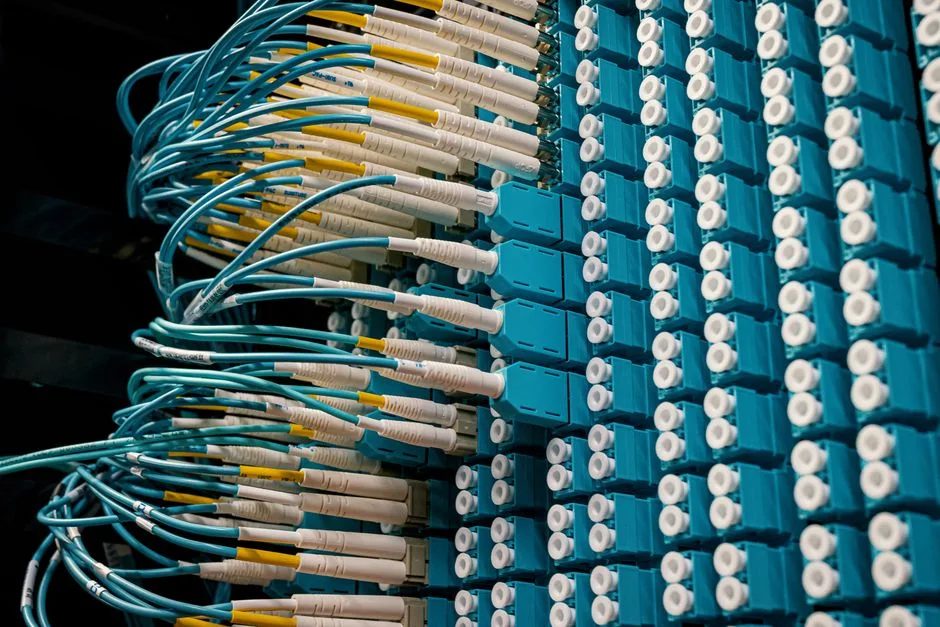
Sizing the array to load
Accurate sizing prevents wasted capacity and keeps ROI realistic. Start with a target percent of annual energy use you want to offset and then add a margin for outages. Include IT cooling needs in the model to avoid under- or over-provisioning.
- Determine offset target
- Add contingency margin
- Model cooling loads
- Calculate inverter sizing
Grid interconnection and safety
Interconnection agreements define how the system feeds back to the grid and how outages are handled. Ensure meter and protection settings support islanding prevention and rapid transfer to backup power if needed. Clear documentation reduces delays in approvals.
The second paragraph explains practical testing steps before going live: functional checks, communication with the data center's monitoring system, and cybersecurity hardening of interfaces.
A final paragraph highlights ongoing monitoring needs, including alerts for performance deviations and potential module degradation.
- Check feeder capacity
- Validate anti-islanding
- Test SCADA integration
- Document emergency procedures
Options: technology choices
Choose modules and inverters
Module choice affects efficiency, degradation rates, and space requirements. Inverters influence system reliability and the ability to manage partial shading. Compare all-weather performance and warranty terms rather than price alone.
The second paragraph covers battery options if off-grid or hybrid storage is needed. It points to choosing chemistries that align with duty cycles and temperature ranges.
A final paragraph offers guidance on monitoring hardware and firmware updates as a criteria in supplier selection.
- Monocrystalline vs polycrystalline
- String inverters vs microinverters
- Battery compatibility
- Monitoring and updates
| Option | Pros | Cons |
|---|---|---|
| Monocrystalline | Higher efficiency | Premium cost |
| String inverters | Simple, scalable | Less flexible with shading |
| Microinverters | Better shading results | Higher per-watt cost |
System integration with data systems
Solar data should feed into existing monitoring platforms to track performance and energy costs in real time. Validate API access, time synchronization, and data formats. Tailor dashboards for facilities and IT teams to spot anomalies quickly.
The second paragraph details validating data integrity and creating alert thresholds for downtime or performance drops.
A final paragraph stresses the importance of change control and versioning for firmware or software that governs the solar setup.
- API compatibility
- Real-time dashboards
- Alert thresholds
- Change control
Regular checks of inverter alarms and battery health prevent downtime; log any abnormal readings to trace faults quickly.
Operations and maintenance
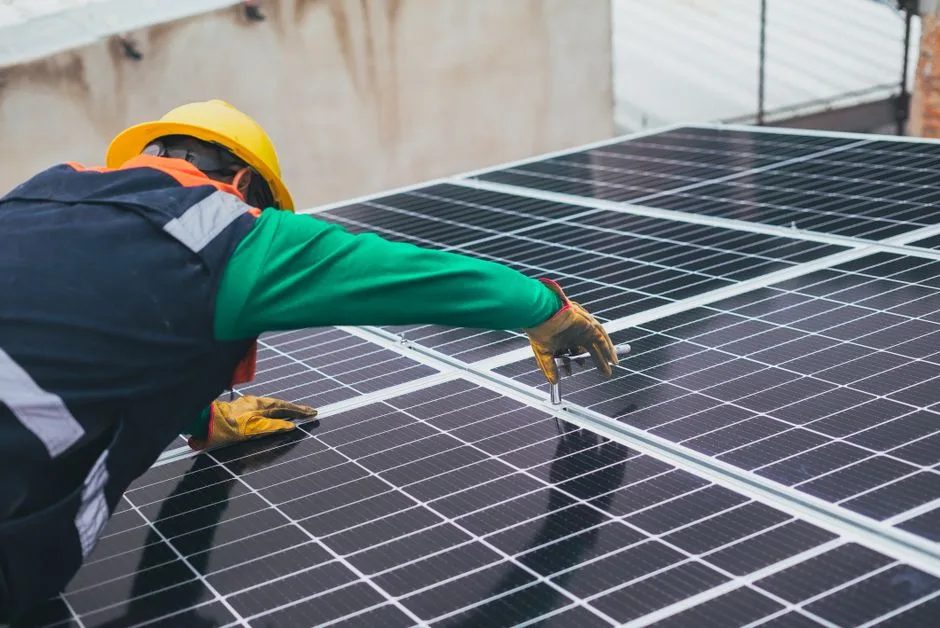
System health monitoring
Regular checks of inverter alarms and battery health prevent downtime; log any abnormal readings to trace faults quickly. Schedule monthly visual inspections of panels and wiring to detect loose connections or dirt buildup. Use a simple health dashboard to track performance and flag drops from baseline.
A practical monitoring setup uses basic sensors and a central dashboard; it helps distinguish weather-related dips from equipment failures. Record voltages, temperatures, and energy output for at least a full season. Be prepared to act when anomalies persist beyond a few days.
Maintenance routines should align with local conditions and manufacturer guidance; avoid DIY fixes that require specialized tools. If a fault seems risky, shut down the system and contact a qualified technician. Regular servicing extends system life and maintains efficiency.
- Run a monthly inverter and battery check
- Clean panels when dirt reduces light capture
- Tighten connections if you hear buzzing or see corrosion
- Keep a spare fuse or breaker in accessible location
Security and resilience
Protecting control interfaces
Limit access to the system’s web portals with strong, unique passwords and two-factor authentication. Change default credentials immediately after installation to prevent easy breaches. Regularly review access logs for unusual or repeated login attempts.
Implement network segmentation so solar hardware sits on a dedicated, non‑public VLAN that’s isolated from critical business systems. Use encrypted communications between inverters and the monitoring platform to prevent tampering. Keep firmware updates applied to reduce known vulnerabilities.
Plan for outage scenarios by keeping safe, offline data exports and ensuring the system can operate in limited modes during interruptions. Document a recovery procedure that technicians can follow quickly after a disruption. Proactive risk assessment minimizes downtime.
- Use MFA on all portals
- Segment networks and isolate solar hardware
- Enable firmware auto-update where available
- Regularly export and backup system logs
- Monitor for unusual data transfers
Cost and ROI
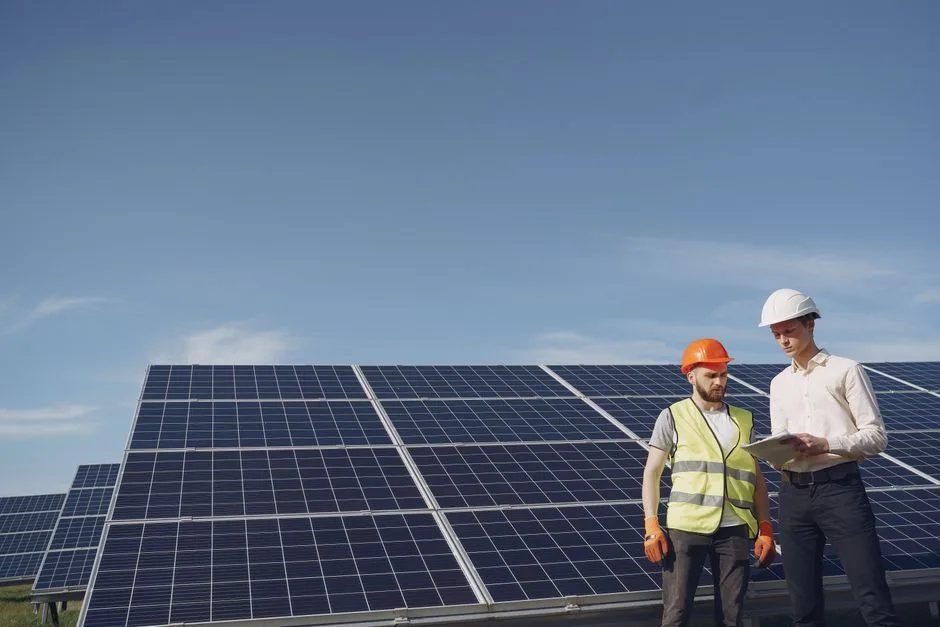
Total ownership costs
Estimate upfront hardware and installation costs, then add ongoing maintenance and potential replacement components. Compare this against expected energy savings and any incentives. A clear view of how long savings take to cover the upfront spend guides smarter choices.
Consider lifetime costs rather than annual figures; a cheaper module today may raise maintenance costs later. Include warranty extensions, monitoring subscriptions, and potential panel cleaning needs in the total. Different financing options can change the practical payoff.
Model scenarios to understand sensitivity to weather and usage patterns; high variability can skew ROI perceptions. Use a conservative energy price trajectory and account for avoided grid charges if applicable. Document the assumptions you’re using in plain terms.
- Initial hardware and install costs
- Ongoing maintenance and monitoring fees
- Warranty and replacement considerations
- Financing and incentives impact
Regulatory and standards
Electrical and safety codes
Solar installations must meet local and national electrical codes; follow clearances, grounding, and overcurrent protection requirements. A compliant setup reduces fire risk and insurance issues. Work with licensed electricians when mounting and wiring the system.
- Ignoring permit requirements
- Improper grounding or shielding
- Using non-compliant components
Standards bodies often specify labeling, performance testing, and safety markers on inverters and PV modules. Documentation should be precise, including system diagrams and warranty information. Keep a copy of all certifications for future audits.
Future-proofing means watching for changes in codes that affect retrofit work or expansions. Build in space and conduit paths to accommodate additional panels or storage. Regular checks ensure ongoing compliance and safer operation.
- Follow local electrical codes
- Keep up-to-date with labeling and testing standards
- Document all certifications and warranties
- Plan for future expansions
Frequently asked questions
Can solar be used to power critical tech infrastructure on a campus or data center nearby?Solar can support non-time-critical loads or backup power for certain systems, but most data centers require robust reliability and backup arrangements like on-site batteries or a dedicated grid connection. Start with a load audit to identify what can ride out smaller outages without compromising operations.
What incentives help offset installation costs for tech sites?Incentives vary by region and can include tax credits, subsidies, or accelerated depreciation. The best approach is to map available programs to the project timeline and consider financing options that align with cash flow. Confirm eligibility with the installer and local authorities.
How long does a typical solar installation take?Most commercial or larger residential projects complete within a few weeks, excluding permitting backlogs. The timeline depends on site readiness, interconnection approval, and supply chain factors for equipment. Build in a realistic schedule with buffer for weather or inspections.
What failure modes should I watch for after commissioning?Watch for sudden drops in output, inverter fault codes, or abnormal battery temperatures. Environmental factors like shading or soiling can degrade performance quickly. Establish a quick-start protocol to isolate the issue and trigger professional diagnostics when needed.
Next steps for practical solar integration
With a clear picture of ongoing maintenance, security, economics, and compliance, you can plan a resilient solar setup that fits a tech environment. The next step is to assemble a short list of qualified installers, share your load profile, and request detailed proposals that include ROI and service terms.
From there, map out a phased implementation: start with essential loads and monitoring, then scale storage and capacity as confidence grows. Keep documentation handy for audits and future upgrades, and maintain a schedule for reviews to stay aligned with evolving standards.
You may also find A Practical Guide to Aydın Çiftlik helpful as it covers related aspects of this subject.
For a deeper understanding of this topic, Wie man moderne Solarsysteme sinnvoll modernisiert offers valuable insights worth exploring.
For more insights on this topic, you might find Aydın fabrika çatısı güneş paneli montajı: particularly informative.

Add GLOBAL NEWS as a preferred source on Google

